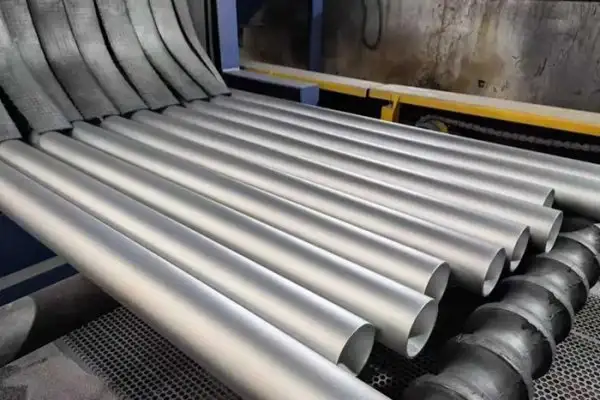
The quality of carbon steel (CS) seamless pipes directly affects pipeline safety, service life, and operating reliability. In industrial and engineering applications, pipe quality should be evaluated systematically rather than relying on a single indicator. The following key aspects provide a practical and reliable framework for assessing CS seamless pipe quality.
1. Visual Inspection
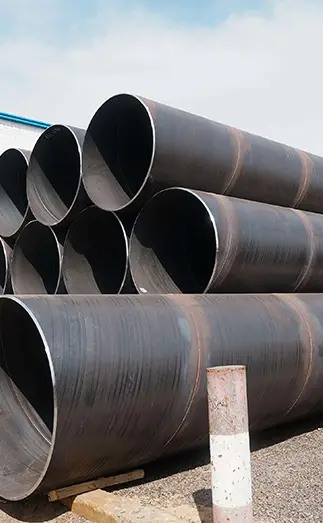
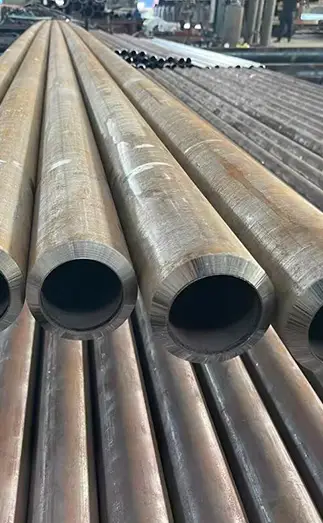
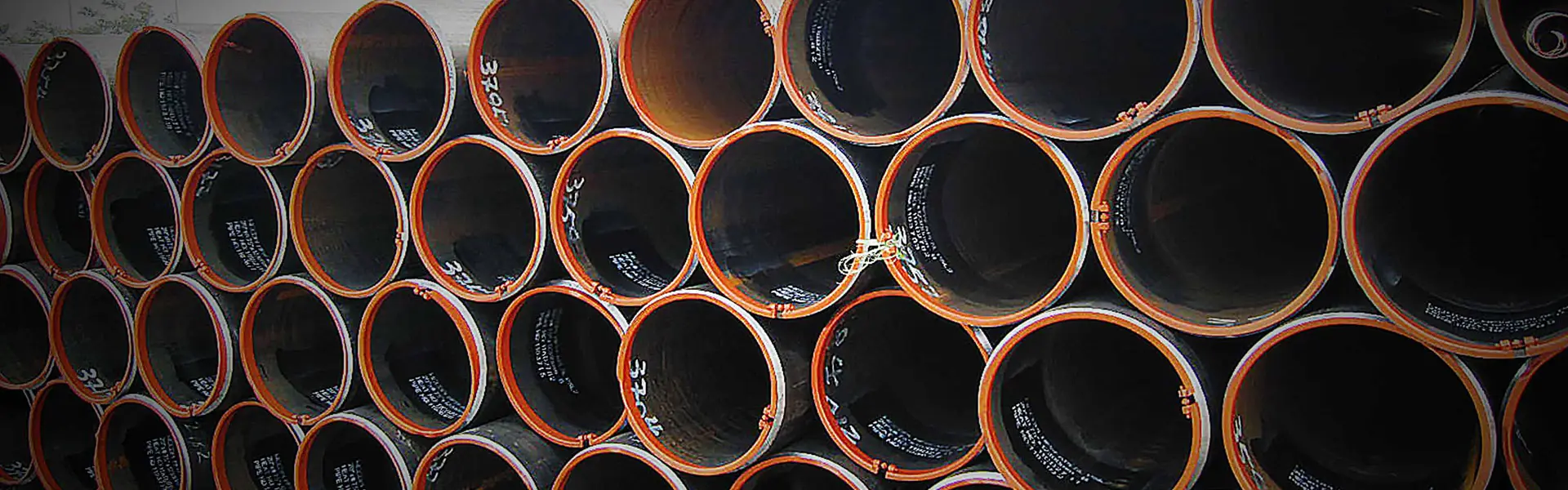
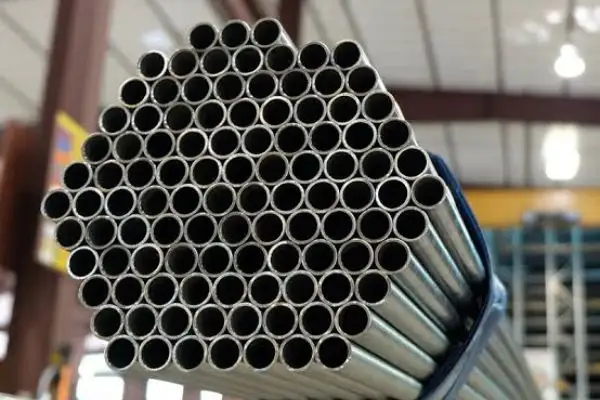
Start with a careful examination of the pipe’s external appearance. A qualified CS seamless pipe should have a smooth and uniform surface, free from cracks, folds, laps, delamination, or visible scars. Defects such as deep scratches, pitting, or surface rust may reduce mechanical strength and accelerate corrosion.
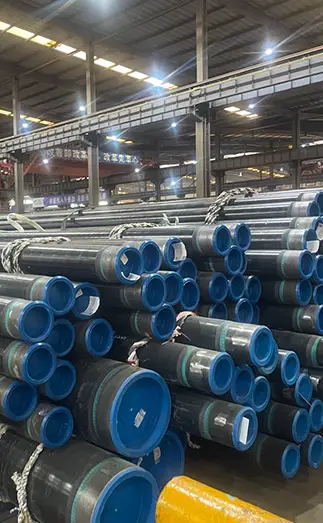
Pay attention to the pipe ends. They should be flat, clean, and free of burrs or excessive flash. Irregular or uneven ends can lead to difficulties during cutting, welding, or installation.
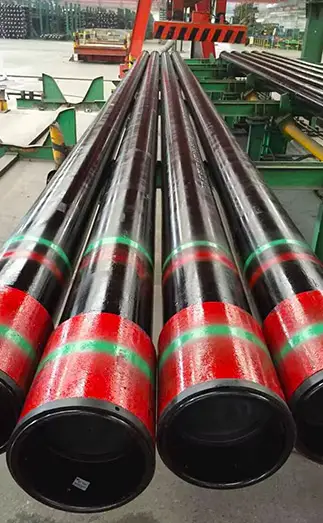
Color is also an indicator: carbon steel seamless pipes typically appear black (mill scale) or grayish-white. Unusual discoloration may suggest improper heat treatment, surface contamination, or quality issues.
2. Dimensional Accuracy
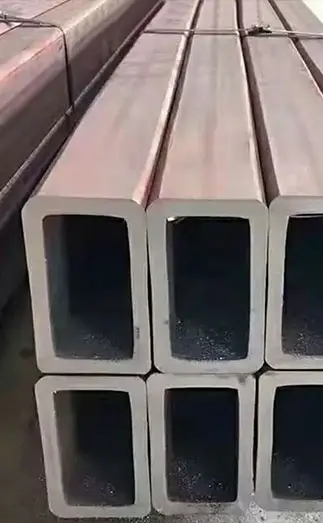
Dimensional compliance is a critical quality criterion. Measure the outer diameter, wall thickness, and length of the CS seamless pipe and verify that they fall within the tolerances specified by applicable standards.
Precision tools such as calipers and micrometers should be used. In addition, check the roundness (ovality) of the pipe—smaller deviations generally indicate better manufacturing control. For applications requiring high precision, such as pressure systems or mechanical tubing, tighter dimensional inspection is essential.
3. Material Quality and Metallurgical Properties
CS seamless pipes must meet defined chemical composition and mechanical property requirements. This is typically verified through the mill test certificate (MTC) or, if necessary, independent chemical analysis.
Hardness testing is another important check. Excessively high hardness may indicate brittleness, while low hardness may suggest insufficient strength. Both conditions can negatively affect performance.
From a metallurgical perspective, the pipe should exhibit a uniform and dense microstructure, free from segregation, inclusions, or abnormal grain growth. Metallographic quality has a direct impact on strength, toughness, and corrosion resistance.
4. Pressure Resistance Performance
Pressure testing is one of the most direct methods for verifying pipe integrity. During the test, both ends of the pipe are sealed and subjected to a specified internal pressure using liquid or gas.
The test pressure and duration must comply with relevant standards or design requirements. A qualified CS seamless pipe should show no leakage, permanent deformation, or rupture under the test conditions. Failure during pressure testing clearly indicates a quality defect, and such pipes should not be used.
5. Non-Destructive Testing (NDT)
Non-destructive testing is essential for detecting internal and surface defects that are not visible to the naked eye. Common NDT methods include:
Ultrasonic Testing (UT): Effective for detecting internal flaws such as cracks, inclusions, and voids, with high sensitivity and efficiency.
Magnetic Particle Testing (MT): Suitable for identifying surface and near-surface defects in ferromagnetic materials.
Penetrant Testing (PT): Used to detect surface-opening defects with high sensitivity.
NDT helps prevent hidden defects from entering service, significantly reducing the risk of failure during operation.
Conclusion
Evaluating the quality of CS seamless pipes requires a comprehensive assessment that includes appearance, dimensional accuracy, material properties, pressure resistance, and non-destructive testing results. When sourcing carbon steel seamless pipes, it is advisable to work with reputable manufacturers, request complete quality documentation, and verify compliance with applicable standards. Additionally, regular inspection and maintenance during service are essential to ensure long-term safety and reliable performance.


 English
 Español
 Français
 بالعربية