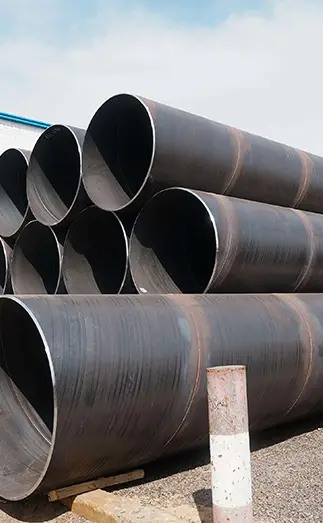
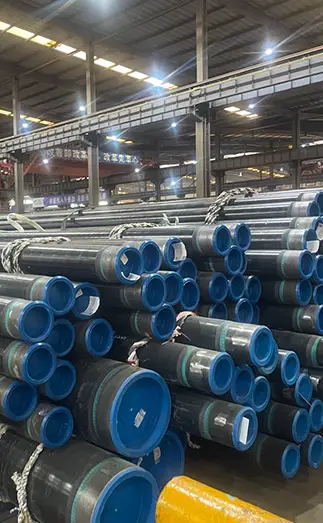
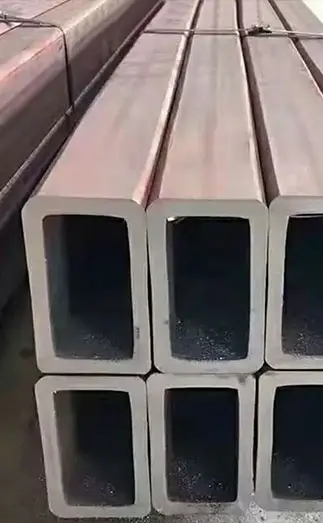
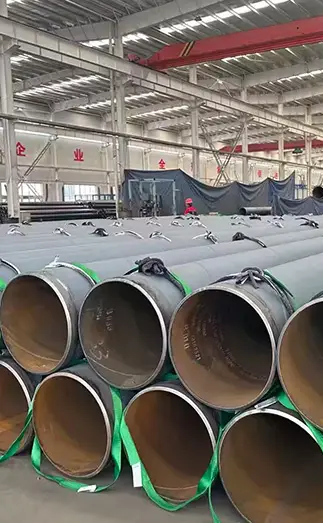
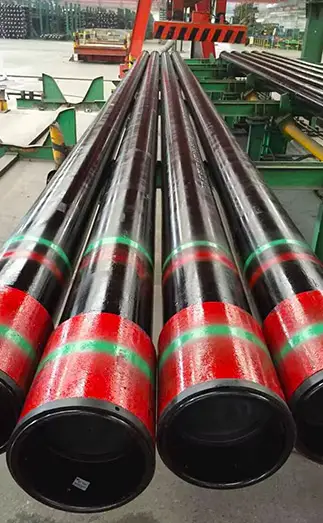
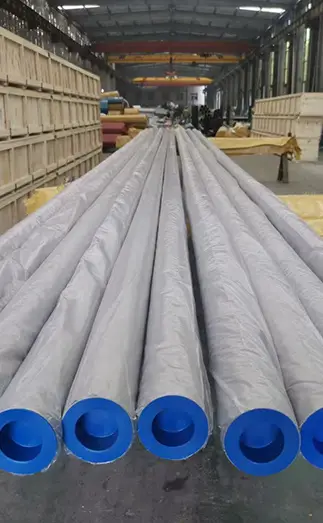
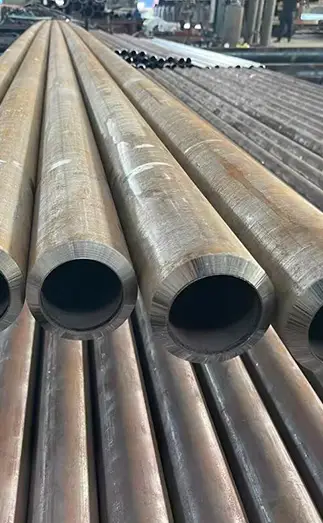
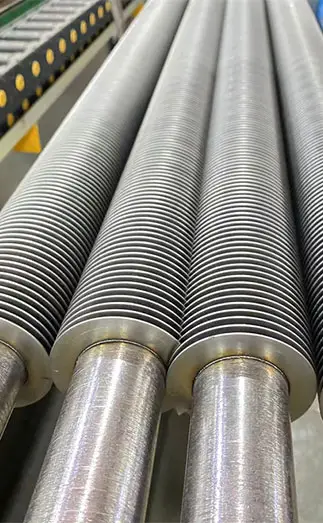
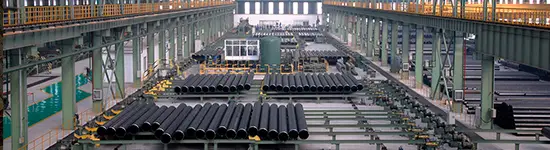
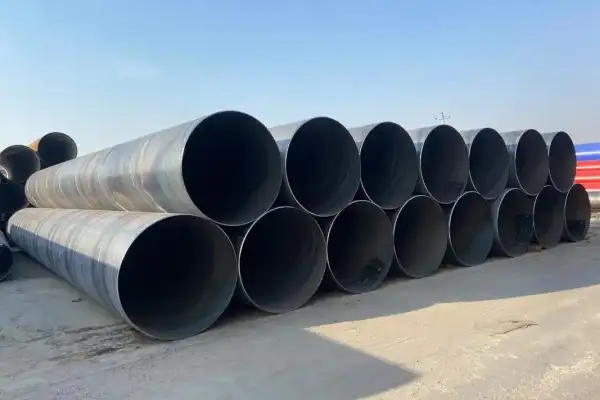
Stainless steel boiler tubes are high-performance metal pipes used in boiler and heat exchange systems to transfer heat, transport steam or fluids, and withstand continuous operation under high temperature and high pressure conditions. Compared with conventional carbon steel or alloy steel boiler tubes, stainless steel boiler tubes offer superior corrosion resistance, oxidation resistance, and long-term thermal stability, making them essential components in modern industrial boilers.
Stainless steel high-pressure boiler tubes are manufactured in accordance with international standards such as ASTM A213 / ASME SA213 (seamless tubes), ASTM A269 / ASTM A312 (welded or seamless tubes), and the European standard EN 10216-5. These standards ensure consistent mechanical performance, chemical composition, and service reliability.
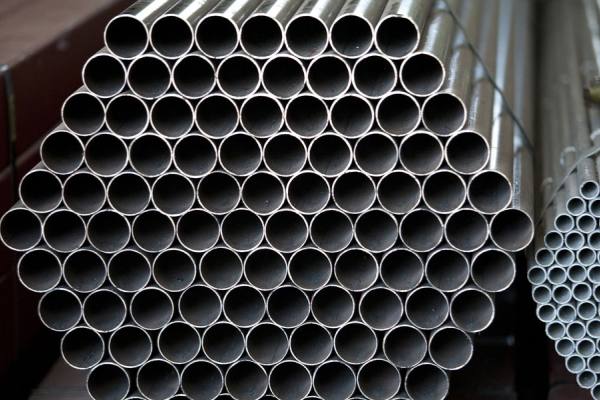
What Are Stainless Steel Boiler Tubes?
Stainless steel boiler tubes are steel pipes specifically designed to withstand high-pressure steam and high-temperature media inside boilers. They are characterized by:
Excellent corrosion and oxidation resistance
High temperature resistance, typically up to 700–900°C
Strong resistance to stress corrosion cracking
Long service life under cyclic thermal and pressure loads
These properties make stainless steel boiler tubes widely used in chemical processing, marine engineering, pharmaceutical production, and high-efficiency power generation boilers.
Stainless Steel Boiler Tube Material Classification and Characteristics
1. Austenitic Stainless Steel Boiler Tubes
Common grades include TP304H, TP316H, TP321H, and TP347H. These materials are the most widely used stainless steels for high-pressure boiler tubes.
Key characteristics:
Excellent high-temperature oxidation resistance
Good creep strength at elevated temperatures
Suitable for service above 600°C
Among them, TP347H, stabilized with niobium, offers improved resistance to intergranular corrosion, making it ideal for superheaters and reheaters operating under severe thermal conditions.
2. Ferritic (Martensitic) Heat-Resistant Stainless Steel Boiler Tubes
Typical grades include T91, T92, and T122. Although they contain lower chromium levels than austenitic grades, their strength is enhanced by alloying elements such as molybdenum, vanadium, and niobium.
Key characteristics:
High temperature strength and excellent creep resistance
Low coefficient of thermal expansion
Good thermal conductivity
These properties make ferritic stainless steel boiler tubes suitable for supercritical and ultra-supercritical boiler superheater and reheater systems.
3. Duplex Stainless Steel Boiler Tubes
Common grades include 2205 and 2507 duplex stainless steel.
Key characteristics:
Dual-phase (austenitic + ferritic) microstructure
High mechanical strength
Excellent resistance to stress corrosion cracking and pitting corrosion
Duplex stainless steel boiler tubes are mainly used in special corrosive boiler environments, where both strength and corrosion resistance are critical.
|
Grade
|
Standard
|
Service Temperature
|
Key Features
|
Typical Applications
|
|
304H
|
ASTM A213
|
≤650°C
|
Austenitic stainless steel, good high-temperature strength
|
Superheaters, reheaters
|
|
316H
|
ASTM A213
|
≤700°C
|
Contains nickel, better corrosion resistance
|
Corrosive media environments
|
|
321H
|
ASTM A213
|
≤750°C
|
Contains titanium, intergranular corrosion resistant
|
High-temperature oxidation environments
|
|
347H
|
ASTM A213
|
≤800°C
|
Contains niobium, high high-temperature creep strength
|
Supercritical boilers
|
|
T91/P91
|
ASTM A213
|
≤650°C
|
Martensitic heat-resistant steel, high strength
|
Main steam pipelines
|
Key Features of Stainless Steel Boiler Tubes
-Excellent corrosion resistance, with no scaling or nodular corrosion
-Strong resistance to weak acids and humid environments
-Multiple connection methods, including welding, flanging, threading, and grooving
-High temperature resistance, suitable for hot water, boiling water, and steam transport
-Good low-temperature toughness and a relatively low thermal expansion coefficient
-Smooth inner surface, resulting in low fluid flow resistance and improved heat transfer efficiency
-Good hygienic properties, suitable for clean or process water systems
-Reliable external corrosion protection when combined with appropriate surface coatings
FAQ
Q1: What is the maximum operating temperature of stainless steel boiler tubes?
Most stainless steel boiler tubes can operate continuously at temperatures between 700 and 900°C, depending on the grade.
Q2: Which stainless steel grades are commonly used for high-pressure boiler tubes?
TP304H, TP316H, TP321H, and TP347H are among the most commonly used grades for high-pressure boiler applications.
Q3: Are stainless steel boiler tubes better than carbon steel boiler tubes?
Yes. Stainless steel boiler tubes offer better corrosion resistance, oxidation resistance, and longer service life under high-temperature conditions.
Q4: What standards govern stainless steel boiler tube production?
Common standards include ASTM A213 / ASME SA213, ASTM A269 / A312, and EN 10216-5.
Q5: Can stainless steel boiler tubes be used in supercritical boilers?
Yes. Ferritic and austenitic heat-resistant stainless steel grades are widely used in supercritical and ultra-supercritical boiler systems.


 English
 Español
 Français
 بالعربية