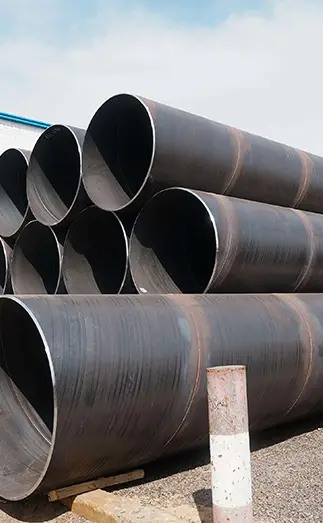
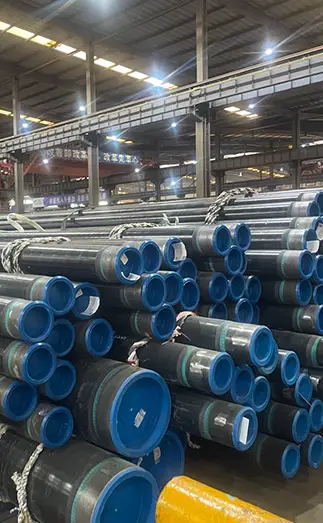
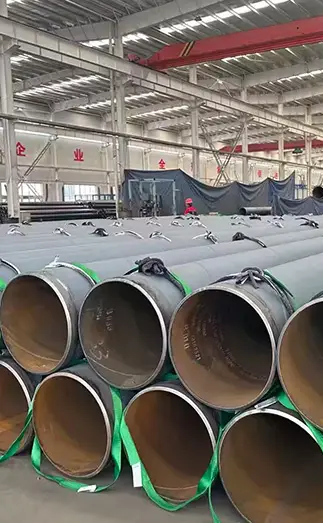
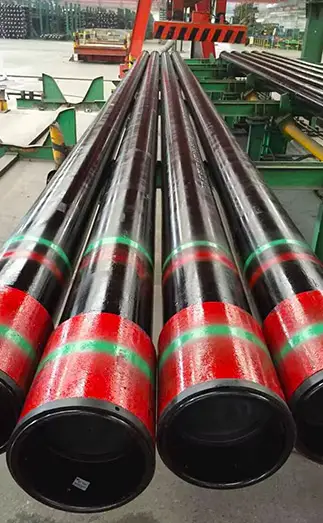
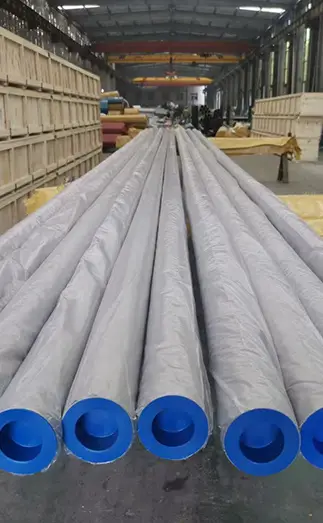
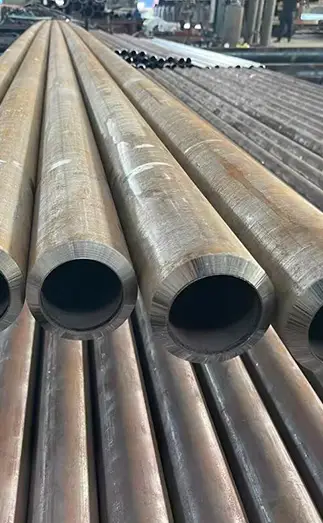
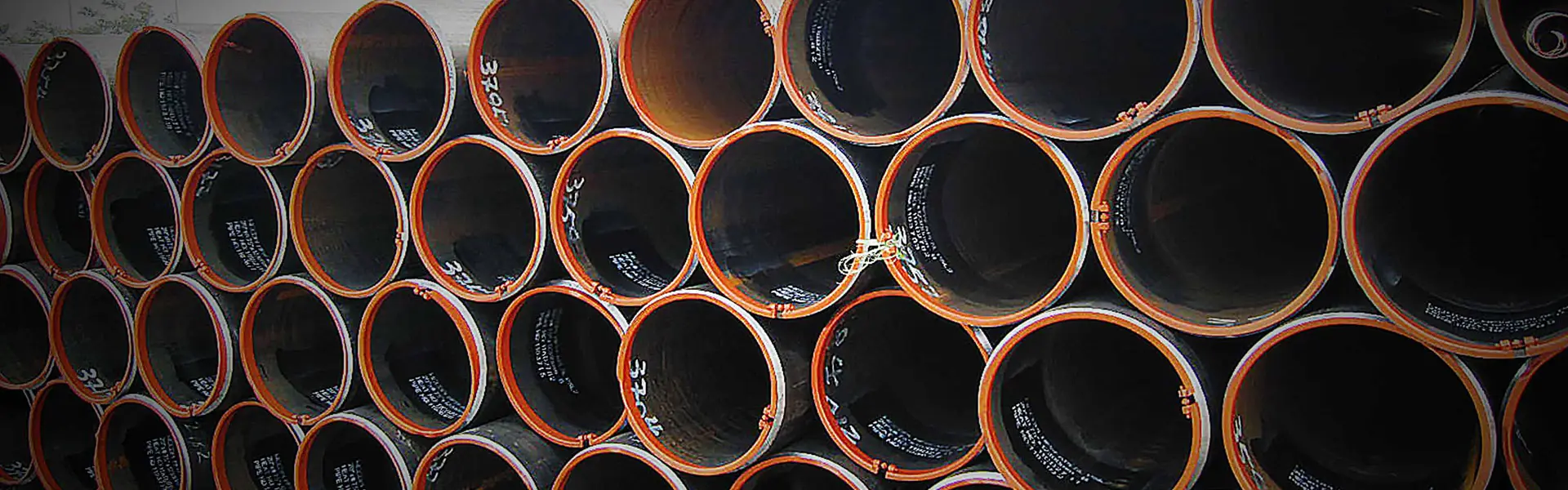
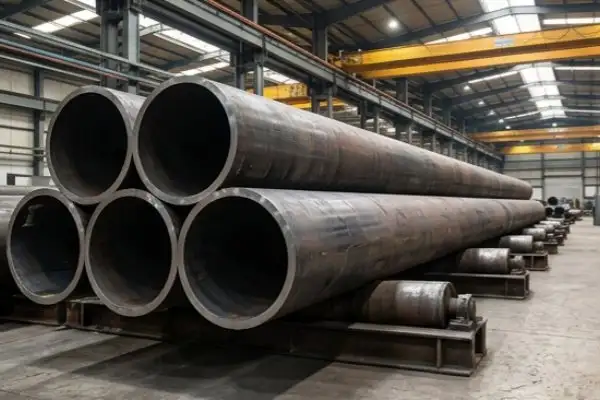
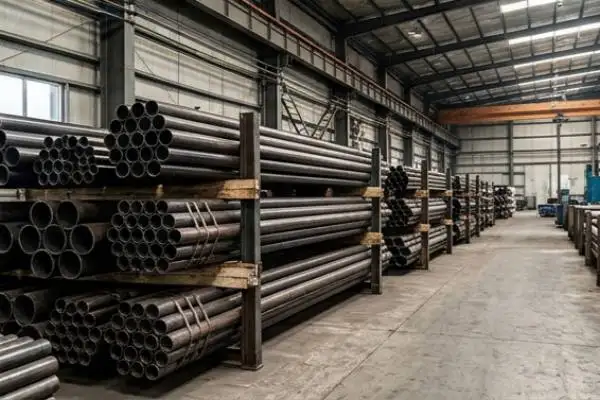
Straight seam steel pipes are widely used in pressure pipeline systems for transporting gases and liquids under controlled pressure and temperature conditions. Due to their stable weld quality, predictable mechanical performance, and suitability for standardized inspection, straight seam steel pipes play a critical role in modern industrial pressure pipeline networks.
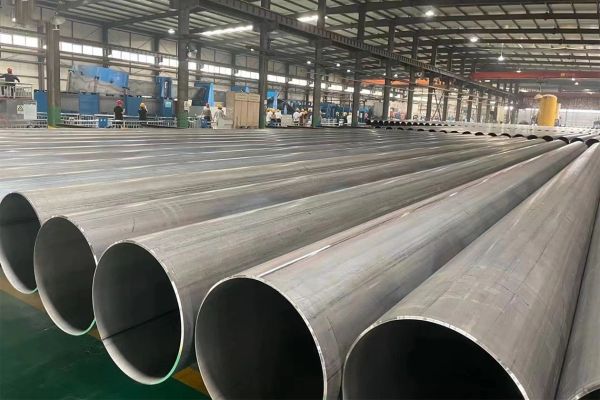
1. Definition of Straight Seam Steel Pipe Pressure Pipelines
A straight seam steel pipe pressure pipeline refers to a pipeline system that uses straight seam welded steel pipes to transport gases or liquids under pressure.
According to Chinese regulations, pressure pipelines are defined as tubular systems used to convey media at pressures equal to or higher than atmospheric boiling pressure, with a nominal diameter greater than 25 mm.
From a safety perspective, pressure pipelines are classified based on the probability and severity of potential accidents, as media leakage may lead to bursting, explosions, or fire hazards. For this reason, pressure pipelines—along with boilers and pressure vessels—are regulated as special equipment and are subject to strict supervision.
2. Nominal Diameter and Pressure Definitions
Nominal Diameter (DN):
The nominal diameter of a straight seam steel pipe follows standardized size series defined in relevant standards. It is expressed in millimeters (mm) and is used consistently for pipes, fittings, valves, and other pipeline components that transport fluids.
Working Pressure:
The pressure sustained by the pipe, fittings, and valves under normal operating conditions.
Design Pressure:
The maximum pressure the pipeline is designed to withstand under specified design temperature combinations during normal operation, typically representing more severe conditions.
3. Functions of Straight Seam Steel Pipe Pressure Pipelines
Straight seam steel pipe pressure pipelines are an essential part of industrial production systems. Their primary functions include:
Transporting pressurized fluids
Distributing and metering media
Controlling and regulating flow
Isolating or shutting off fluid transmission
In industrial systems, pressure pipelines function much like blood vessels in the human body, ensuring continuous and controlled media circulation.
4. Applications of Straight Seam Steel Pipes in Pressure Pipelines
Straight seam steel pipe pressure pipelines are widely used across multiple industries, including:
Petroleum and petrochemical systems
Chemical processing plants
Power generation and thermal systems
Metallurgical and industrial facilities
Urban gas transmission networks
District heating systems
These pipelines often handle high-temperature, corrosive, toxic, or even radioactive media, making material reliability and weld integrity critical. Compared with other pipeline types, straight seam steel pipes are favored for their suitability for standardized manufacturing, inspection, and regulatory compliance.
5. Components of a Straight Seam Steel Pipe Pressure Pipeline System
A complete pressure pipeline system consists of:
Straight seam steel pipes
Pipe supports and hangers
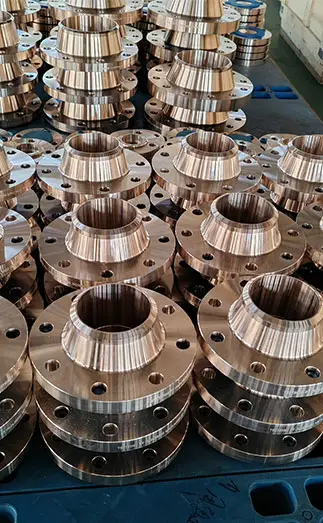
Flanges, gaskets, and fasteners
Valves and special piping components
Piping systems are classified according to design pressure, design temperature, and transported media, and are used to transport, distribute, control, or stop fluid flow.
6. Inspection and Testing of Straight Seam Steel Pipe Pressure Pipelines
After commissioning, straight seam steel pipe pressure pipelines—especially LSAW (Longitudinal Submerged Arc Welded) pipes—undergo jet (water column) ultrasonic testing along the entire weld length.
In this method:
The ultrasonic probe is coupled to the pipe via a water jet
Longitudinal waves pass through the water–steel interface
Waveform conversion enables pure transverse wave inspection of the weld
To achieve accurate transverse wave testing, the probe incident angle must fall between the first and second critical angles, as determined by the law of refraction
This inspection method effectively detects longitudinal and transverse weld defects, ensuring long-term safety and operational reliability.
FAQ
Q1: What industries use straight seam steel pipes in pressure pipelines?
Straight seam steel pipes are widely used in oil & gas, chemical processing, power generation, metallurgy, urban gas, and heating systems.
Q2: What is the minimum diameter for a pressure pipeline?
Pressure pipelines typically have a nominal diameter greater than 25 mm.
Q3: Why are straight seam steel pipes suitable for pressure pipelines?
They offer stable weld quality, predictable mechanical performance, and compatibility with standardized inspection methods.
Q4: How are straight seam steel pipe welds inspected?
Common methods include jet (water column) ultrasonic testing to detect longitudinal and transverse weld defects.


 English
 Español
 Français
 بالعربية