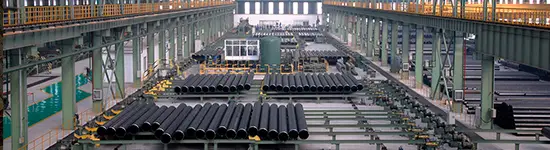
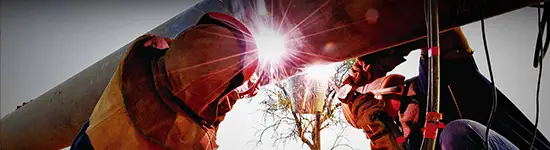
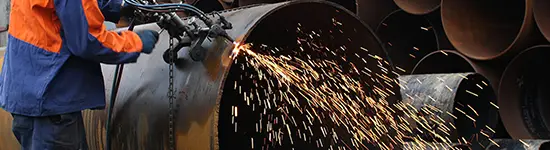
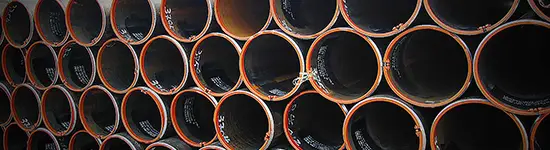
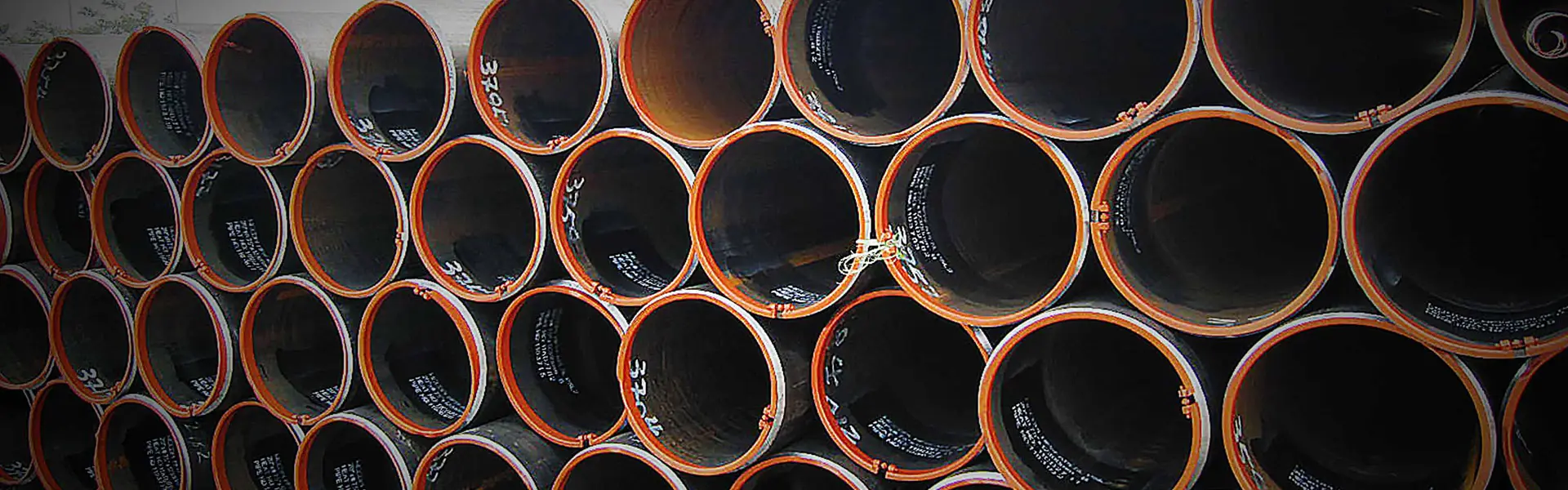
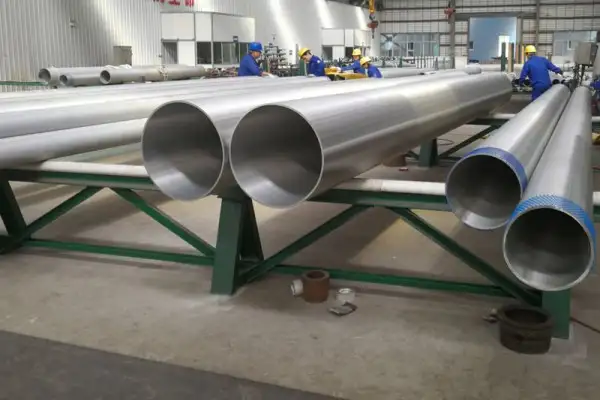
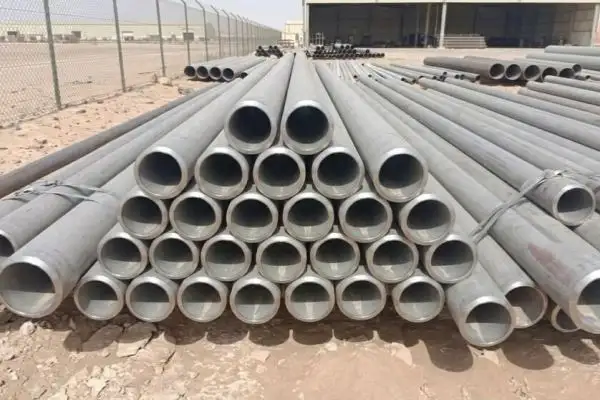
High-pressure piping systems operate under extreme pressure and elevated temperatures, making pipe selection critical for both safety and service life. Choosing the wrong material can lead to leakage, unexpected downtime, and costly maintenance.
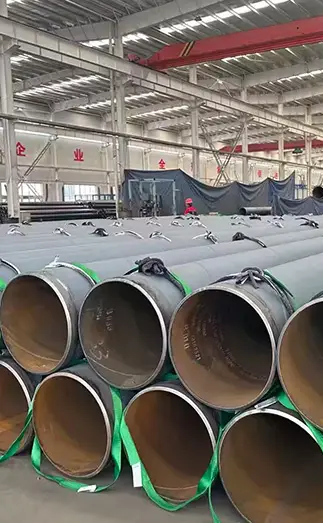
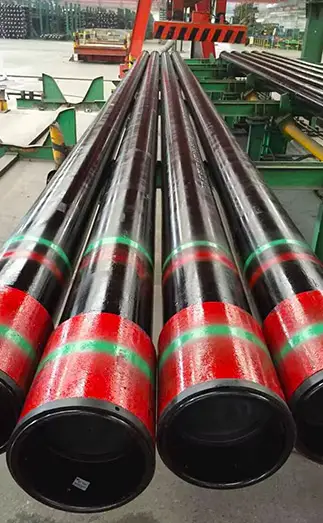
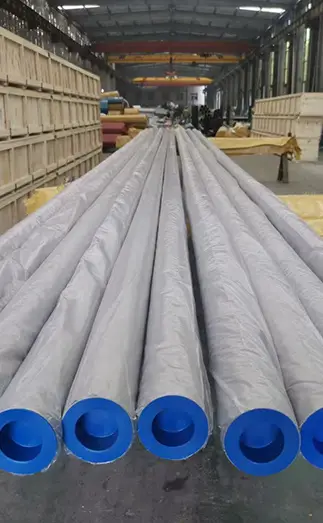
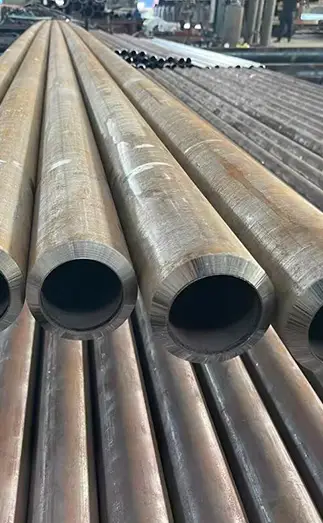
A high-pressure carbon steel pipe is specifically designed to withstand demanding operating conditions. Manufactured in seamless or high-quality welded forms, these pipes offer excellent pressure resistance, high-temperature performance, and reliable mechanical strength for industrial applications such as power generation, petrochemical processing, boilers, and oil & gas transportation.
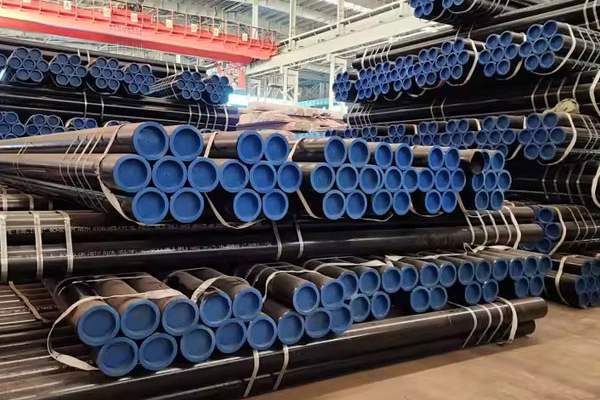
Key Characteristics of High-Pressure Carbon Steel Pipe
High-pressure carbon steel pipes are designed to provide consistent performance in severe service environments. Their main characteristics include:
High internal pressure resistance
Excellent strength at elevated temperatures
Uniform wall thickness and dimensional accuracy
Good weldability and fabrication performance
Long service life with proper corrosion protection
Compliance with international pressure piping standards
These properties make carbon steel one of the most widely used materials for industrial pressure piping systems.
Why Are Seamless Pipes Preferred for High-Pressure Service?
For critical pressure applications, seamless carbon steel pipes are often preferred because they are manufactured without a longitudinal weld seam.
Without a welded joint, the pipe has a continuous metal structure that distributes stress more evenly throughout the wall. This improves pressure-bearing capacity and reduces the possibility of weld-related defects under cyclic loading or high operating pressures.
Compared with welded pipes, seamless pipes generally provide:
More uniform mechanical properties
Higher pressure capacity
Better fatigue resistance
Improved reliability under extreme temperatures
Lower risk of leakage in critical applications
Essential Performance Requirementsof High-Pressure Carbon Steel Pipe
High-pressure carbon steel pipes must satisfy several important engineering requirements before being used in industrial systems.
Pressure Resistance
The pipe must safely withstand high internal pressure without excessive deformation or failure throughout its design life.
High-Temperature Strength
Pressure piping frequently transports steam or high-temperature process fluids. The material must maintain adequate strength and resist creep deformation during long-term service.
Dimensional Accuracy
Accurate outside diameter, wall thickness, and straightness help ensure reliable installation, proper pipe alignment, and consistent stress distribution.
Structural Integrity
Uniform wall thickness minimizes localized stress concentrations, improving the overall durability of the piping system.
Performance Summary
|
Characteristic
|
Engineering Benefit
|
|
High Pressure Resistance
|
Supports demanding pressure-service applications
|
|
Seamless Construction
|
Eliminates weld-related weak points
|
|
High-Temperature Stability
|
Maintains strength under elevated temperatures
|
|
Precise Dimensions
|
Improves installation accuracy and system reliability
|
|
Uniform Mechanical Properties
|
Reduces stress concentration and extends service life
|
|
Excellent Fabrication Performance
|
Suitable for welding, bending, and industrial processing
|
Typical Applications of High-Pressure Carbon Steel Pipe
High-pressure carbon steel pipes are widely used in:
Power generation plants
Boiler systems
Heat exchangers
Petrochemical processing
Oil and gas transmission
Refineries
Chemical plants
High-pressure steam pipelines
Industrial pressure vessels
Quality Control and Inspection
To ensure reliable performance, premium high-pressure carbon steel pipes undergo comprehensive quality inspections throughout production.
Typical testing includes:
Chemical composition analysis
Tensile testing
Yield strength testing
Hydrostatic pressure testing
Ultrasonic testing (UT)
Eddy current testing (ET)
Dimensional inspection
Surface quality inspection
These procedures help verify compliance with international standards while ensuring long-term operational safety.
FAQ
1. What is a high-pressure carbon steel pipe?
It is a steel pipe designed to safely transport fluids or gases under high pressure and elevated temperatures.
2. Why are seamless pipes preferred for high-pressure applications?
Seamless pipes have no weld seam, providing more uniform strength and better resistance to pressure and fatigue.
3. Which industries commonly use high-pressure carbon steel pipes?
They are widely used in power plants, petrochemical facilities, oil and gas pipelines, refineries, boiler systems, and chemical processing plants.
4. What inspections are performed on high-pressure carbon steel pipes?
Common inspections include hydrostatic testing, ultrasonic testing, tensile testing, chemical analysis, dimensional verification, and surface inspection.


 English
 Español
 Français
 بالعربية