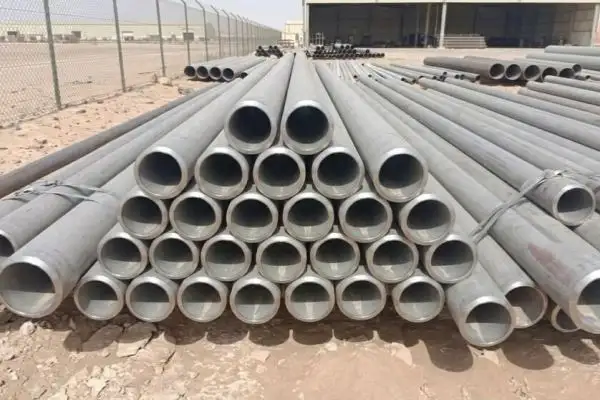
Selecting a high-pressure carbon steel pipe involves more than choosing the correct size. International standards define the pipe's chemical composition, mechanical properties, dimensional tolerances, manufacturing requirements, and testing procedures, ensuring safe and reliable performance in demanding industrial environments.
Among the most widely recognized standards are ASTM A106, ASTM A335, EN 10216-2, and JIS G3458. Each specification is developed for specific pressure and temperature conditions, helping engineers select the most suitable material for power generation, petrochemical processing, refineries, and industrial piping systems.
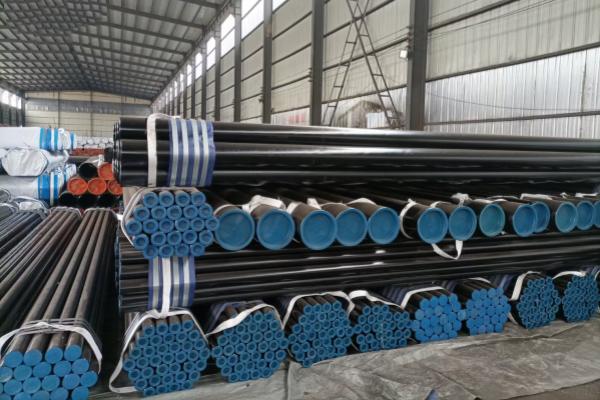
Common Standards for High-Pressure Steel Pipes
Different engineering projects require different material specifications depending on operating pressure, service temperature, and working environment.
ASTM A106
ASTM A106 covers seamless carbon steel pipes intended for high-temperature service. Grades B and C are the most commonly specified and are widely used in steam pipelines, refineries, boiler systems, and process piping.
ASTM A335
ASTM A335 applies to seamless ferritic alloy steel pipes containing chromium and molybdenum. Grades such as P11, P22, and P91 are designed for elevated temperatures and high-pressure service in power plants and petrochemical facilities.
EN 10216-2
EN 10216-2 specifies seamless steel tubes for pressure purposes in accordance with European standards. It includes both carbon steel and alloy steel grades suitable for pressure equipment operating over a broad temperature range.
JIS G3458
JIS G3458 is the Japanese standard for alloy steel pipes used in high-temperature pressure service. It is commonly specified for industrial facilities and energy projects throughout Asia.
Comparison of Common High-Pressure Pipe Standards
|
Standard
|
Common Grade
|
Typical Applications
|
Operating Temperature
|
|
ASTM A106
|
Grade B, Grade C
|
Steam pipelines, boilers, refineries
|
Up to approximately 425°C
|
|
ASTM A335
|
P11, P22, P91
|
Power plants, petrochemical processing
|
High-temperature service
|
|
EN 10216-2
|
P235GH
|
Pressure vessels, industrial piping
|
Approximately -50°C to 580°C
|
|
JIS G3458
|
STPA22
|
High-pressure industrial piping
|
High-temperature service
|
Why Are International Standards Important?
International specifications ensure that high-pressure carbon steel pipes meet strict engineering and safety requirements before installation.
These standards define:
Chemical composition
Mechanical properties
Manufacturing requirements
Dimensional tolerances
Heat treatment procedures
Hydrostatic testing
Non-destructive testing (NDT)
Inspection and certification requirements
Compliance with recognized standards helps reduce project risks, simplify international procurement, and ensure compatibility with engineering codes and industry regulations.
Choosing the Right Standard
The appropriate specification depends on several project factors, including:
Operating pressure
Service temperature
Working medium
Corrosion environment
Applicable regional standards
Equipment design requirements
Selecting the correct standard helps maximize pipeline reliability, improve operational safety, and extend service life in demanding industrial applications.


 English
 Español
 Français
 بالعربية