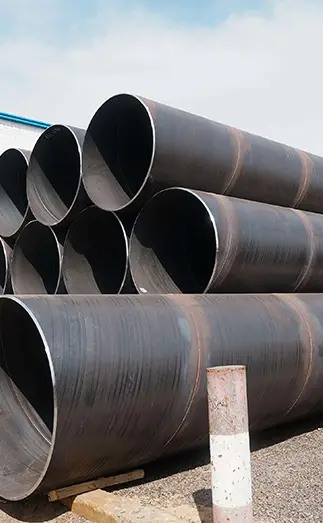
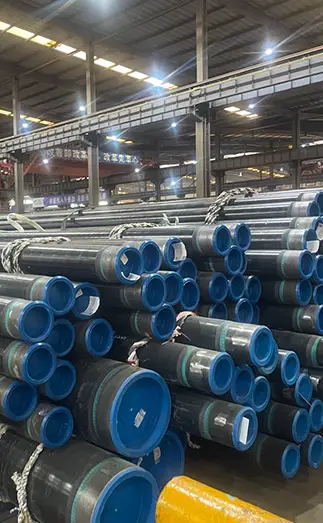
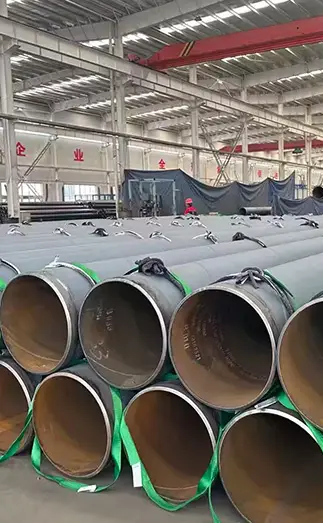
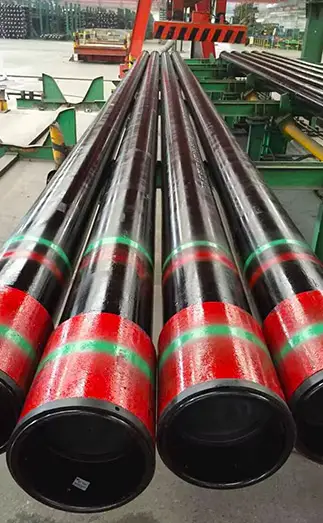
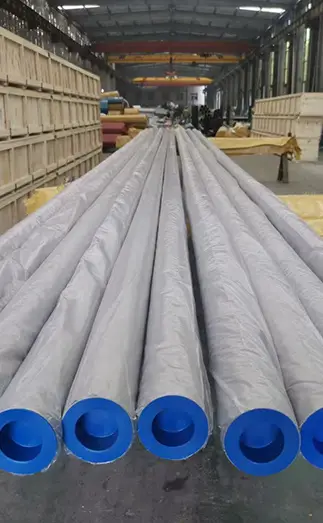
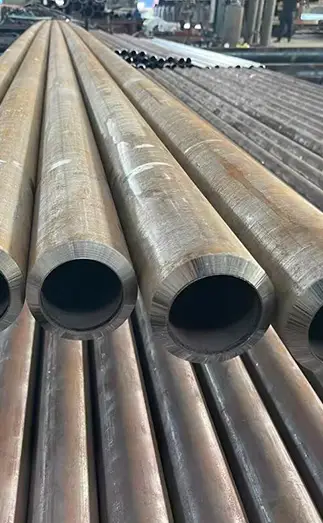
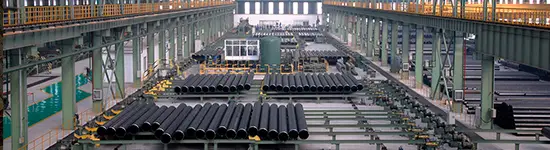
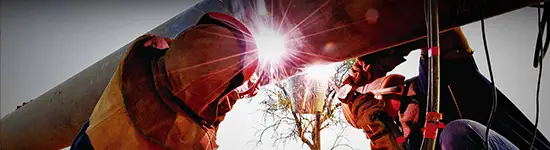
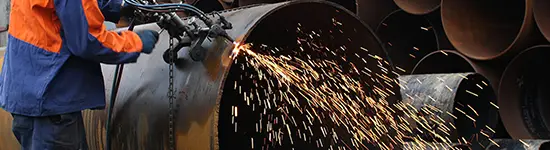
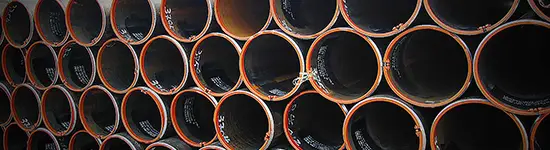
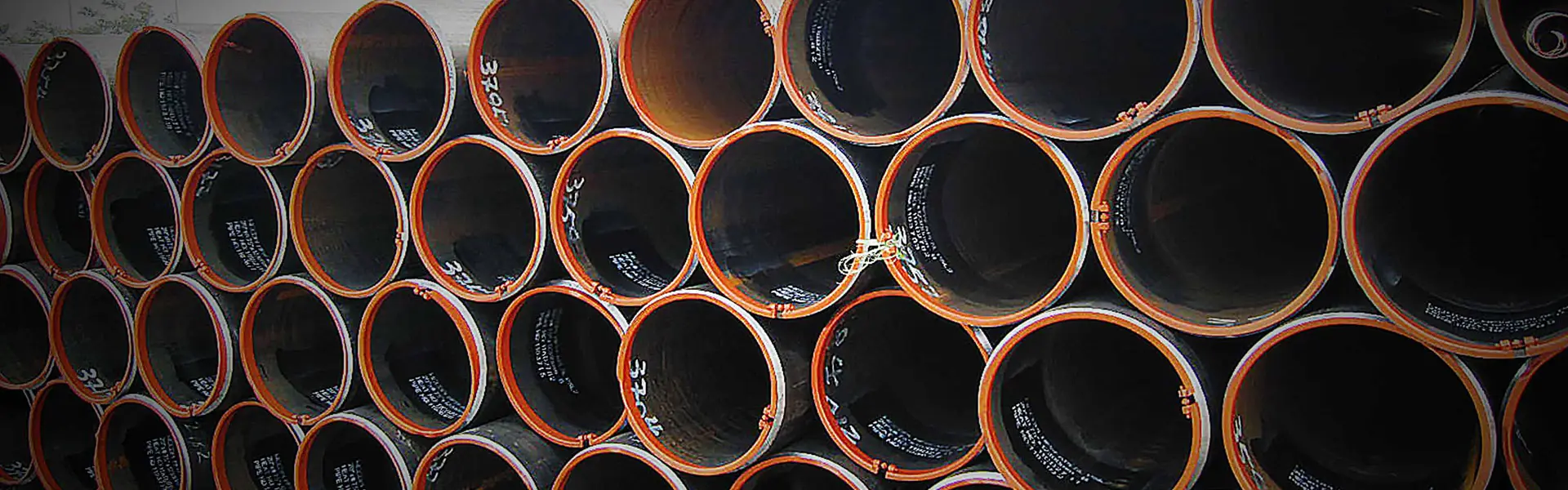
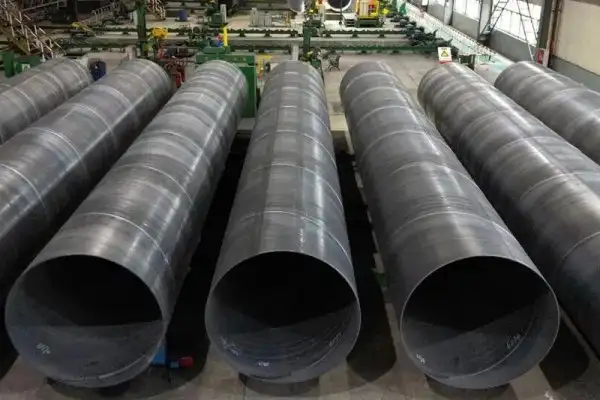
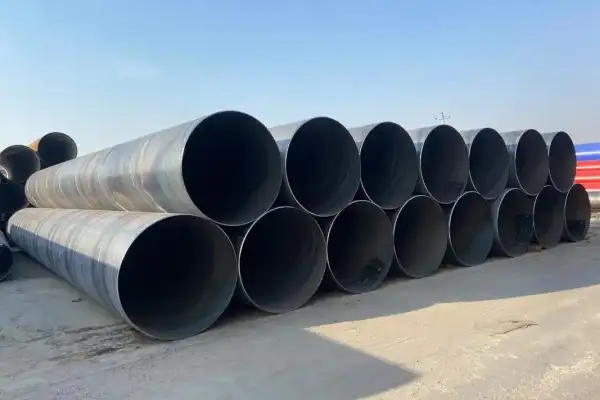
API 5L pipes are carbon steel seamless or welded line pipes specified by the American Petroleum Institute for transporting oil, gas, water, and fluids in pipeline systems under high pressure and harsh environments.
Key Industries Using API 5L Pipes
Oil & Gas Pipelines (onshore & offshore)
Construction & Infrastructure
Manufacturing & Industrial Systems
Power Generation Facilities
API 5L pipes are selected primarily for pressure resistance, mechanical strength, corrosion tolerance, and long-term reliability, making them essential in critical pipeline systems worldwide.
Why API 5L Pipes Matter in Oil & Gas
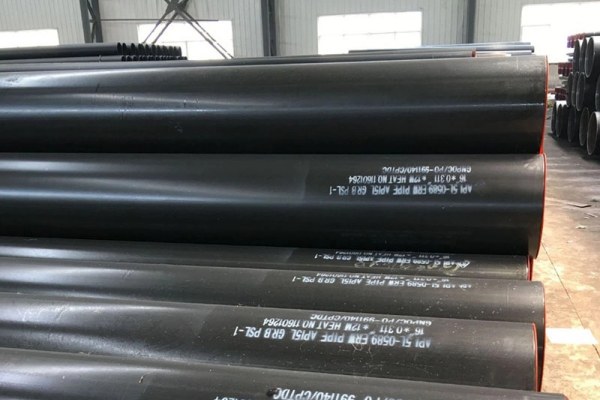
API 5L pipes are engineered for long-distance transportation of crude oil, natural gas, and refined products.
They are designed to withstand:
High internal pressure
Extreme temperature variations
Corrosive media and sour service environments
Compliance with API 5L minimizes pipeline failure risks, environmental hazards, and unplanned shutdowns.
API 5L Specification Overview
What Is API 5L?
API 5L is an American Petroleum Institute specification covering seamless and welded steel line pipes used in petroleum and natural gas pipeline transportation systems.
Covered grades include:
B, X42, X52, X60, X65, X70
Each grade defines:
Chemical composition limits
Mechanical performance thresholds
Mandatory testing requirements
API 5L Product Specification Levels
API 5L PSL1 vs PSL2 (Quick Comparison)
|
Item
|
PSL1
|
PSL2
|
|
Quality Level
|
Standard
|
Enhanced
|
|
Chemical Control
|
Basic
|
Strict
|
|
Mechanical Properties
|
Standard
|
Higher
|
|
CVN Impact Test
|
Not required
|
Required
|
|
Application
|
Normal service
|
High-risk / critical pipelines
|
Manufacturing Processes of API 5L Pipes
- API 5L Seamless (SMLS) Pipes
No welded seam
High pressure resistance
Limited diameter range
Higher cost
- API 5L ERW Pipes
Electric resistance welded
Cost-effective
Medium pressure applications
Weld seam inspection required
- API 5L DSAW Pipes (LSAW / SSAW)
Double submerged arc welding
Large diameter & thick wall
Oil & gas trunk pipelines
Higher manufacturing complexity
Sizes & Dimensions of API 5L Pipes
Seamless pipes: 2″ NPS – 36″ OD
ERW pipes: 2″ NPS – 24″ OD
DSAW pipes: 20″ – 48″ OD
Size selection depends on pressure rating, flow capacity, and installation conditions.
Testing & Quality Control of API 5L Pipes
API 5L pipes undergo mandatory testing, including:
Hydrostatic pressure testing
Ultrasonic testing (UT)
Radiographic testing (RT)
Charpy V-Notch impact testing (PSL2)
These tests ensure structural integrity and operational safety.
API 5L Grades Explained
API 5L grades indicate minimum yield strength:
X42 → 42,000 psi
X52 → 52,000 psi
X60 / X65 / X70 → High-pressure pipelines
Higher grades allow thinner walls at the same pressure rating, reducing total pipeline weight.
Coating & Lining of API 5L Pipes
Common protective systems:
3LPE / 3LPP
Fusion Bonded Epoxy (FBE)
Internal epoxy lining
Coatings extend service life and improve flow efficiency.
Global Standards & Equivalents of API 5L Pipes
API 5L is internationally recognized and technically aligned with:
ISO 3183
Selected ASTM pipeline standards
This ensures global project compatibility.
FAQ
FAQ 1: What are API 5L pipes used for?
API 5L pipes are used for transporting oil, gas, water, and fluids in pipeline systems across oil & gas, construction, power, and industrial sectors.
FAQ 2: What is the difference between API 5L PSL1 and PSL2?
PSL2 pipes have stricter chemical limits, higher mechanical requirements, and mandatory impact testing, making them suitable for critical pipelines.
FAQ 3: Are API 5L pipes seamless or welded?
API 5L pipes include seamless (SMLS), ERW, and DSAW (LSAW/SSAW) types, depending on size, pressure, and application.
FAQ 4: What are common API 5L grades?
Common grades include B, X42, X52, X60, X65, and X70, classified by minimum yield strength.
FAQ 5: Is API 5L equivalent to ISO 3183?
Yes. API 5L and ISO 3183 are technically equivalent pipeline standards used globally.
API 5L pipes provide standardized, high-strength pipeline solutions for oil, gas, and industrial fluid transportation. Their defined grades, testing requirements, and global acceptance make them a preferred choice for critical pipeline projects worldwide.


 English
 Español
 Français
 بالعربية