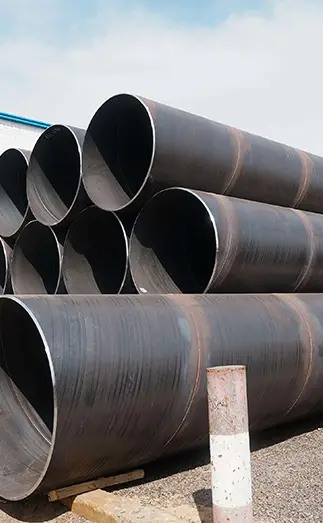
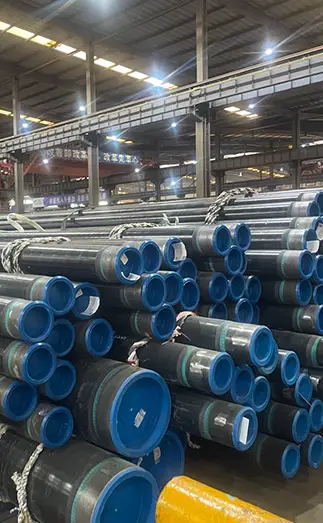
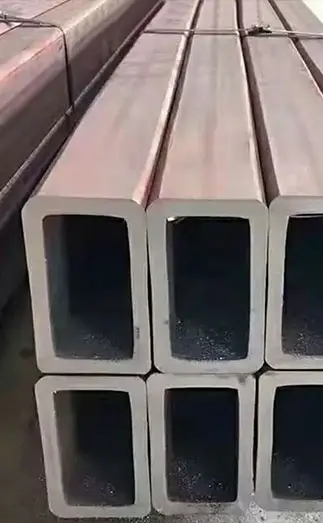
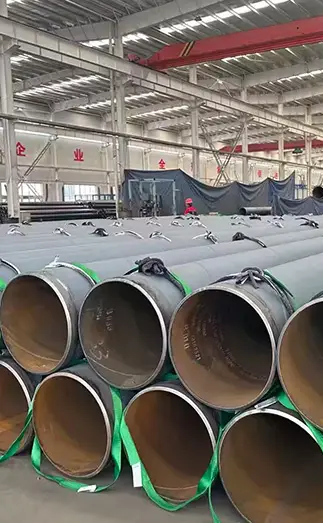
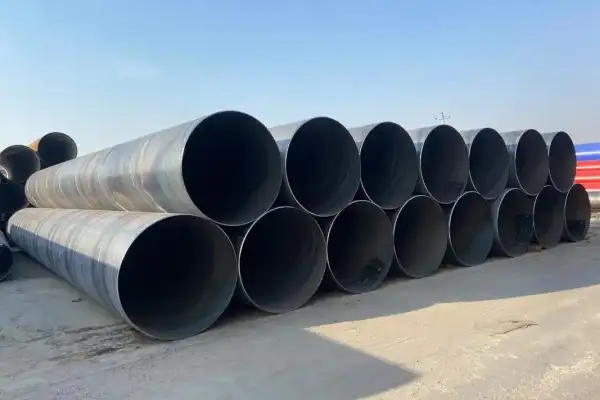
Thin-walled seamless steel pipes are widely used in industrial and construction applications due to their light weight, high strength-to-weight ratio, and cost efficiency. However, improper specification selection may lead to insufficient load capacity, deformation, or unnecessary cost increases.
Selecting the right thin-walled seamless steel pipe requires systematic evaluation of application requirements, dimensions, mechanical performance, standards, and cost.
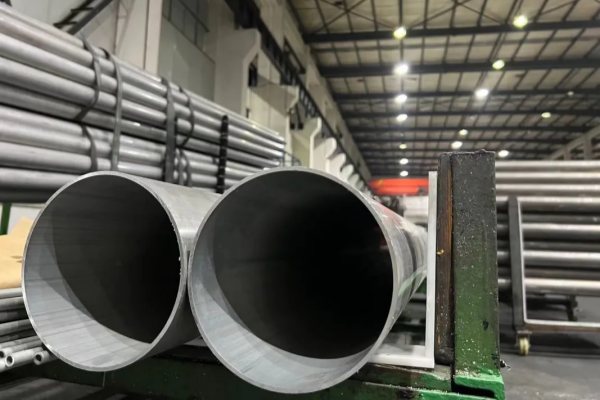
1. Determine the Application of Thin-Walled Seamless Steel Pipes
The first step in thin-walled seamless steel pipe selection is defining the actual application and service conditions.
Key questions include:
Is the pipe used for fluid or gas transportation, or for structural support?
What pressure, load, or stress must it withstand?
Is the operating environment high temperature, corrosive, or dynamic?
These factors directly determine the allowable specification range of thin-walled seamless steel pipes.
2. Outer Diameter and Wall Thickness of Thin-Walled Seamless Steel Pipes
The specifications of thin-walled seamless steel pipes are primarily defined by outer diameter (OD) and wall thickness (WT).
The outer diameter determines installation compatibility and space requirements.
The wall thickness determines pressure resistance, load-bearing capacity, and durability.
Selecting an appropriate OD and wall thickness is essential to ensure both structural safety and material efficiency.
3. Strength and Stiffness Requirements for Thin-Walled Seamless Steel Pipes
Strength and stiffness must match the application scenario.
Larger outer diameters and thicker walls generally provide higher strength and stiffness.
However, excessive specifications increase material weight and cost.
An optimal thin-walled seamless steel pipe balances mechanical performance and economic efficiency, avoiding over-design.
4. Standards and Specifications for Thin-Walled Seamless Steel Pipes
Thin-walled seamless steel pipe specifications must comply with recognized international or industry standards, such as:
ASTM standards
ISO standards
Other regional or project-specific specifications
Selecting pipes in accordance with standard specifications ensures consistent quality, global acceptance, and reliable performance.
5. Cost Considerations in Thin-Walled Seamless Steel Pipe Selection
The specification of thin-walled seamless steel pipes is closely related to cost.
Larger diameters and thicker walls increase material consumption and manufacturing cost.
Over-specification leads to unnecessary expense without performance benefits.
Cost-effective selection requires balancing performance requirements and budget constraints.
6. Professional Consultation for Thin-Walled Seamless Steel Pipe Specifications
If material properties or specification limits are unclear, it is recommended to consult:
Structural or mechanical engineers
Experienced steel pipe suppliers
Professional guidance helps ensure that thin-walled seamless steel pipe specifications are technically feasible, compliant, and economically reasonable.
Conclusion: How to Choose the Right Thin-Walled Seamless Steel Pipe
Selecting the correct thin-walled seamless steel pipe specifications is essential for successful industrial and construction applications.
By clearly defining application requirements and evaluating outer diameter, wall thickness, strength, standards, and cost, buyers can make informed, cost-effective decisions. Professional consultation further reduces selection risks and improves long-term performance.
FAQ
Q1: What are thin-walled seamless steel pipes used for?
Thin-walled seamless steel pipes are used for industrial, construction, fluid, gas transport, or structural applications requiring light weight and high strength.
Q2: How to select the right specification of thin-walled seamless steel pipes?
Select thin-walled seamless steel pipe specifications based on application, load, pressure, strength, wall thickness, outer diameter, and industry standards.
Q3: Why are wall thickness and outer diameter important for thin-walled seamless steel pipes?
Wall thickness and outer diameter determine mechanical strength, stiffness, and pressure resistance, ensuring thin-walled seamless steel pipes meet performance requirements.
Q4: Which standards apply to thin-walled seamless steel pipes?
Thin-walled seamless steel pipes typically follow ASTM, ISO, or industry standards to ensure quality, performance, and global acceptance.
Q5: How does material affect thin-walled seamless steel pipe selection?
Material type affects strength, corrosion resistance, machinability, and cost; stainless steel often requires higher cost than carbon steel for similar specifications.


 English
 Español
 Français
 بالعربية