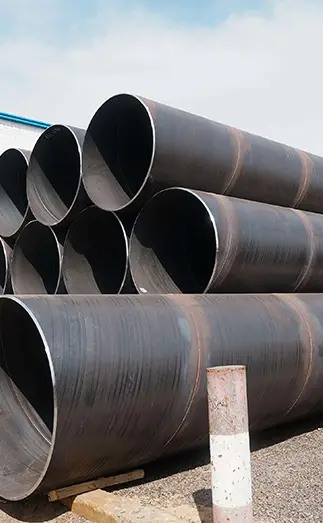
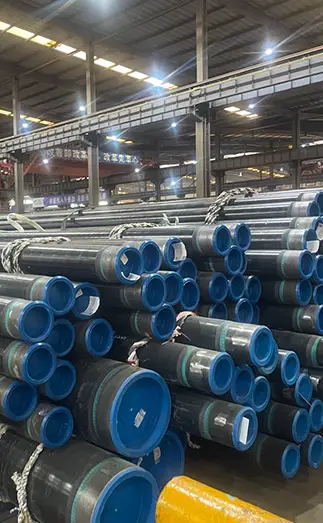
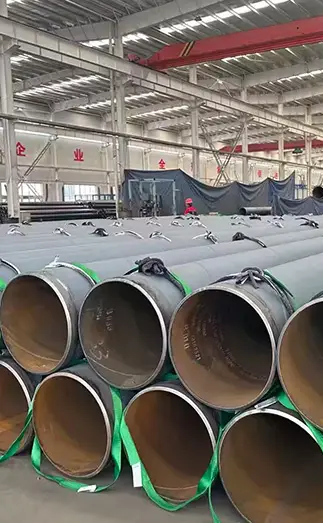
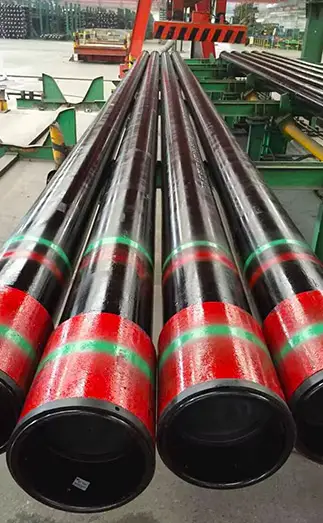
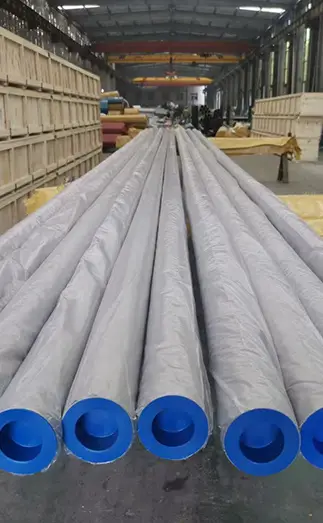
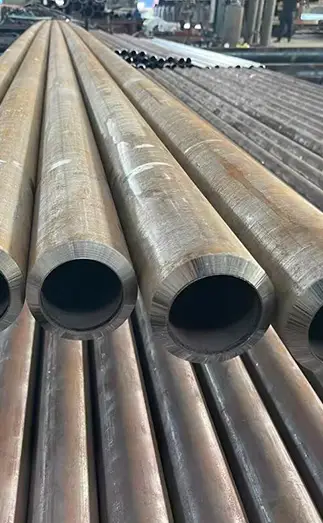
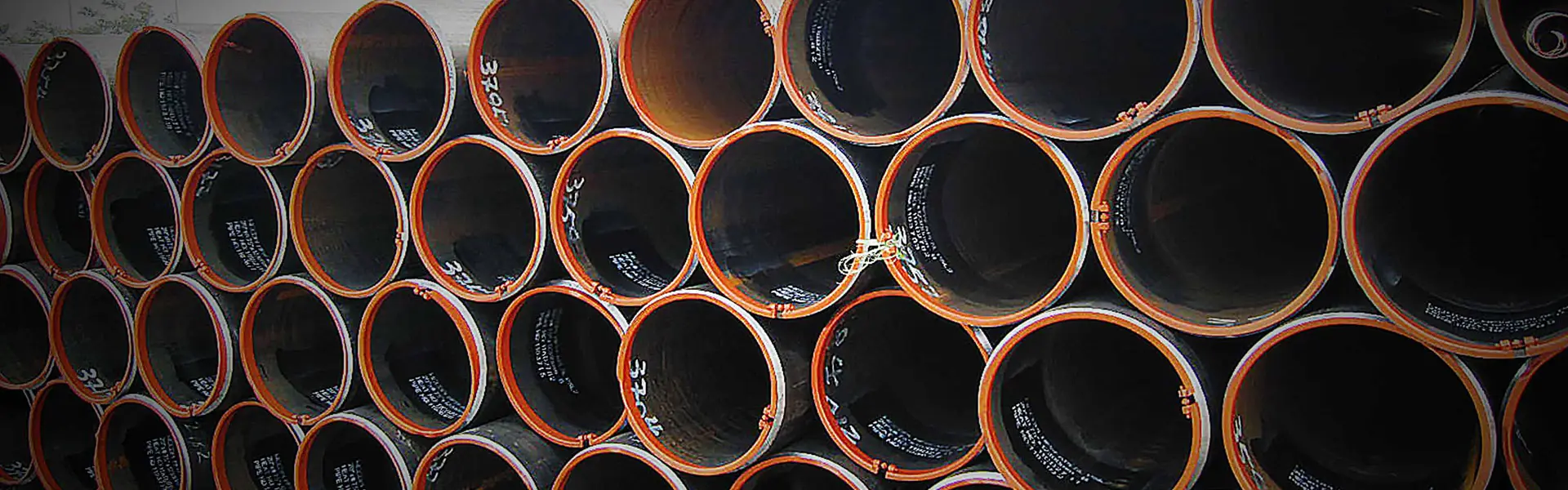
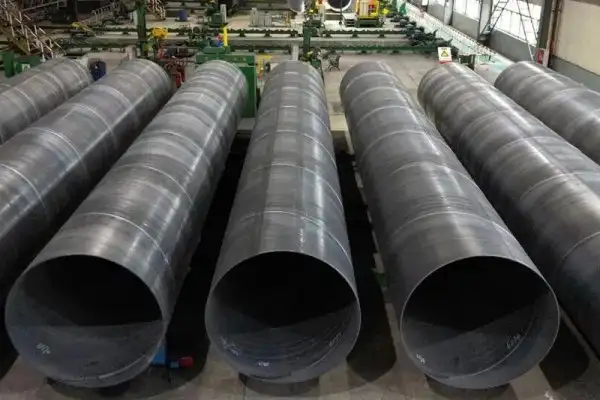
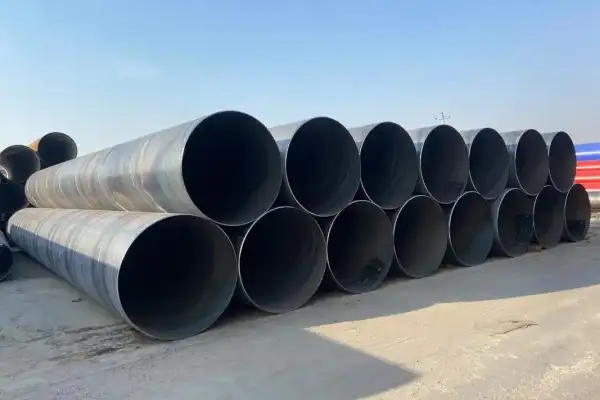
Boiler tubes are critical components in steam boilers, power plants, and industrial heating systems. Designed to operate under high pressure and elevated temperatures, boiler tubes are typically manufactured from carbon steel or alloy steel to ensure strength, heat resistance, and long-term reliability.
Most boiler tubes are seamless pipes, classified into medium-pressure and high-pressure boiler tubes based on their operating conditions. Their manufacturing process is highly controlled to meet strict performance and safety requirements.
What Is a Boiler Tube?
A boiler tube is a hollow, heat-resistant steel tube used to transfer heat within a boiler system. Inside the tube, water or steam flows continuously, while hot combustion gases pass around the tube’s exterior. This configuration enables efficient heat transfer while maintaining system safety.
The design quality, material composition, and dimensional accuracy of boiler tubes directly affect boiler efficiency, operating stability, and service life. High-quality boiler tubes are engineered to withstand thermal stress, internal pressure, and long-term cyclic loading in demanding industrial environments.
Common Materials Used for Boiler Tubes
Boiler tubes are commonly manufactured from:
Carbon steel boiler tubes – suitable for moderate temperature and pressure conditions
Alloy steel boiler tubes – designed for higher temperatures, higher pressure, and improved creep resistance
Material selection depends on the boiler type, operating temperature, pressure rating, and applicable industry standards.
Types of Boiler Tubes
Boiler tubes are mainly classified based on boiler design into water-tube boiler tubes and fire-tube boiler tubes.
- Water-Tube Boiler Tubes
In a water-tube boiler, water flows inside the tubes, while hot gases generated by fuel combustion heat the tubes externally. As the water absorbs heat, it converts into steam.
Widely used in high-pressure and high-capacity boilers
Common in power plants and large industrial systems
In large boilers, water-filled tubes often form the furnace walls, improving heat transfer efficiency and structural integrity
Water-tube boiler tubes are preferred for applications requiring high steam output and rapid heat response.
- Fire-Tube Boiler Tubes
In a fire-tube boiler, hot combustion gases pass through tubes, while water surrounds the tubes inside a pressure vessel. Heat transfers from the gases to the water through the tube walls.
Traditionally used in locomotive and small industrial boilers
Features a firebox connected to multiple fire tubes
Typically suitable for low- to medium-pressure applications
Fire-tube boilers are known for their simple design and ease of operation.
Boiler Tube Materials Standards & Specifications
|
Material Type
|
Standards
|
Common Sizes
|
Types
|
|
Carbon Steel
|
ASTM/ASME A/SA 106, ASTM A179, ASTM A192, ASTM/ASME A/SA 210, ASTM A333 Gr 1, 6, 7 to Gr 9
|
OD: 6mm to 1240mm, Thickness: 1mm to 50mm
|
Straight boiler pipe, U boiler steel pipe for tube exchanger bundle
|
|
Alloy Steel
|
ASTM/ASME A/SA 213 T1, T2, T5, T9, T11, T12, T22, T91, T92; ASTM A335 P1, P2, P5, P9, P11, P12, P22, P91, P92
|
OD: 6mm to 1240mm, Thickness: 1mm to 50mm
|
Straight boiler pipe, U boiler steel pipe for tube exchanger bundle
|
|
Stainless Steel
|
ASTM A268, ASTM A213, TP304/L, TP316/L, 310S, 309S, 317, 317L, 321, 321H, Duplex Stainless Steel
|
OD: 6mm to 1240mm, Thickness: 1mm to 50mm
|
Straight boiler pipe, U boiler steel pipe for tube exchanger bundle
|
How to Choose High-Quality Boiler Tubes
Selecting reliable boiler tubes is essential for safe and efficient boiler operation. Key quality indicators include:
- Cross-Section Quality
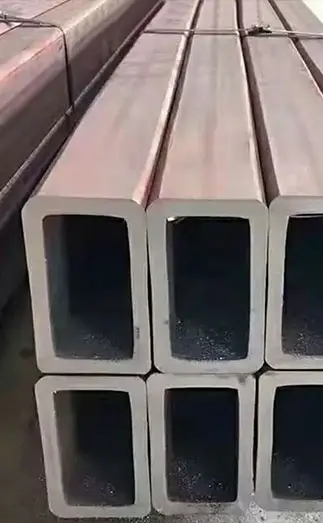
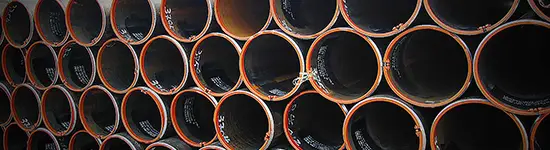
High-quality seamless boiler tubes have a uniform, smooth cross-section without deformation, cracks, or internal defects.
- Material Density and Purity
Proper density indicates low impurity content and consistent metallurgical structure. Low-density or porous tubes may compromise pressure resistance and service life.
- Manufacturer Identification
Reputable boiler tube manufacturers clearly mark their products with trademarks, specifications, and heat numbers to ensure traceability and quality assurance.
- Surface Finish
A smooth and clean surface reflects good manufacturing control. Rough, uneven, or scaled surfaces may indicate substandard processing.
Why Boiler Tube Quality Matters
High-quality boiler tubes ensure:
Efficient heat transfer
Stable boiler operation
Reduced maintenance and downtime
Improved safety under high-pressure and high-temperature conditions
Choosing the right boiler tube type and material is critical for long-term performance and regulatory compliance in power generation and industrial heating systems.
FAQ
1. What are boiler tubes used for?
Boiler tubes are used in boilers to transfer heat, carrying water or steam under high pressure and temperature in power plants and industrial heating systems.
2. What materials are boiler tubes made from?
Boiler tubes are typically manufactured from carbon steel or alloy steel, selected based on operating temperature, pressure, and performance requirements.
3. What is the difference between water-tube and fire-tube boiler tubes?
In water-tube boilers, water flows inside the tubes and hot gases heat them externally, while in fire-tube boilers, hot gases flow through the tubes surrounded by water.
4. Are boiler tubes seamless or welded?
Most boiler tubes are seamless, as seamless construction provides better strength and reliability for high-pressure and high-temperature applications.
5. How can you identify good quality boiler tubes?
High-quality boiler tubes have a uniform cross-section, proper material density, a smooth surface finish, and clear manufacturer markings for traceability.


 English
 Español
 Français
 بالعربية