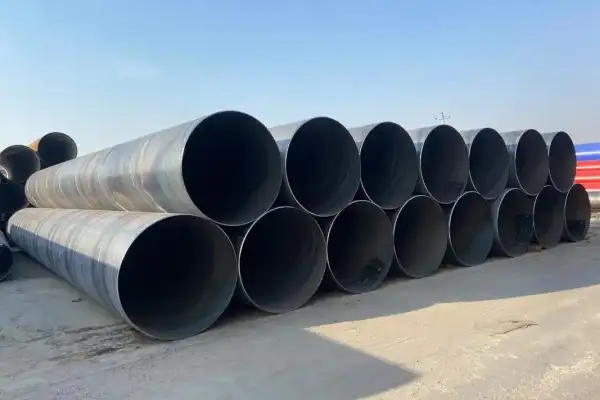
Boiler pipes, also called boiler tubes, are essential components in boilers, used to transport steam and hot water in power plants, industrial systems, and heating applications. Choosing the correct boiler pipe grade ensures system efficiency, safety, and long-term durability. This guide covers boiler pipe types, grades, materials, and the main standards governing their use.
What Are Boiler Pipes?
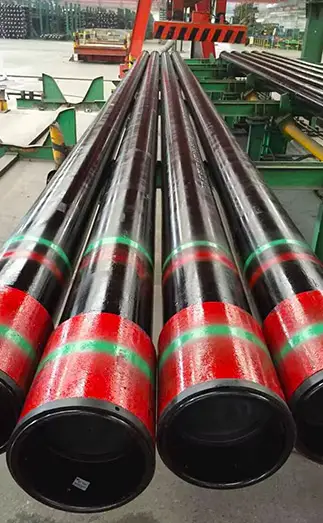
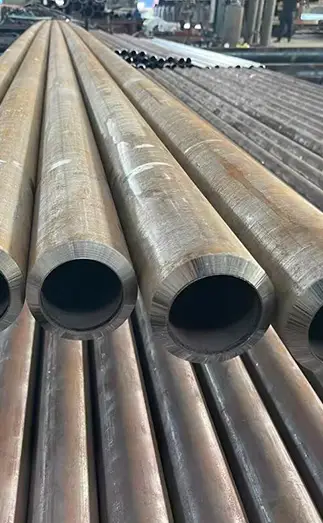
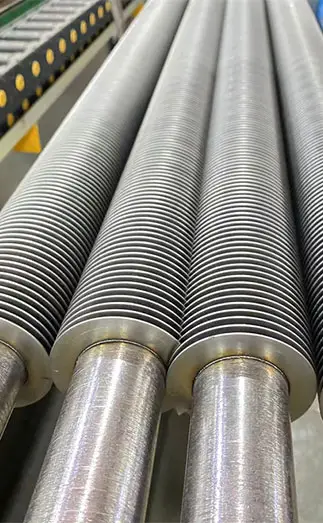
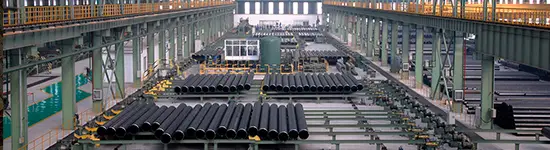
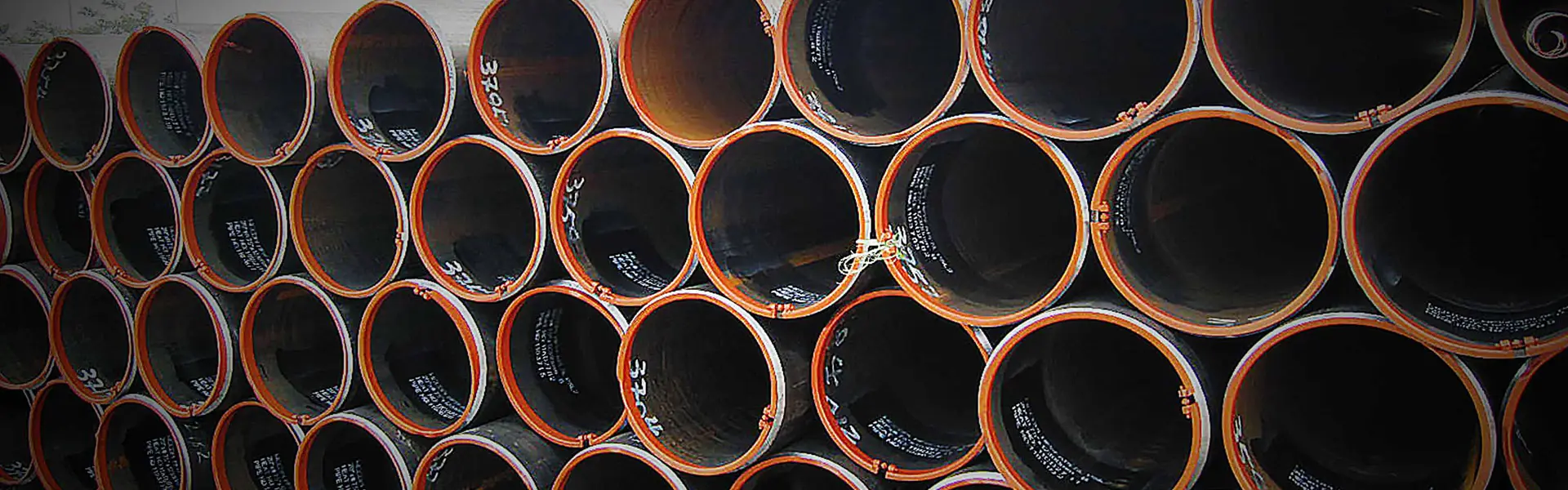
Boiler pipes are steel tubes specifically designed for high-temperature, high-pressure applications in boilers, heat exchangers, and other pressure vessels. They transport steam, hot water, and other fluids under extreme conditions.
Key features of boiler tubes:
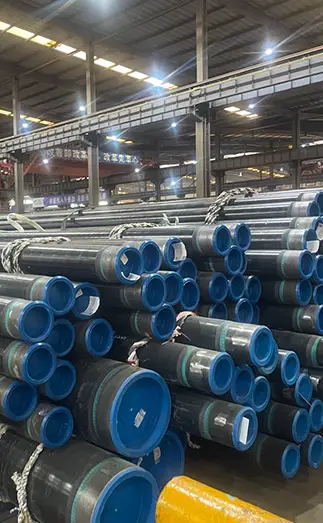
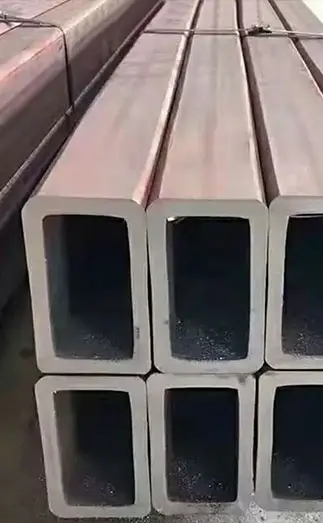
Hollow, long cylindrical steel products with openings at both ends
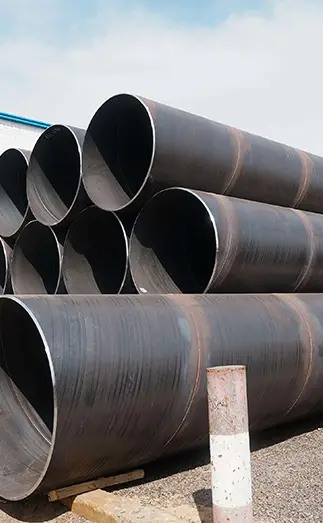
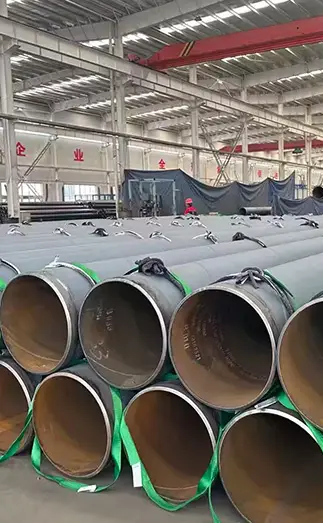
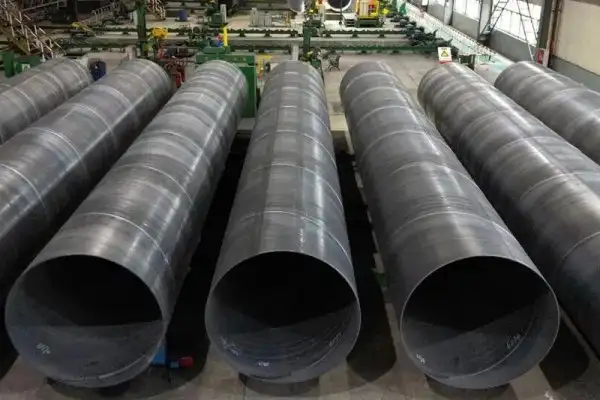
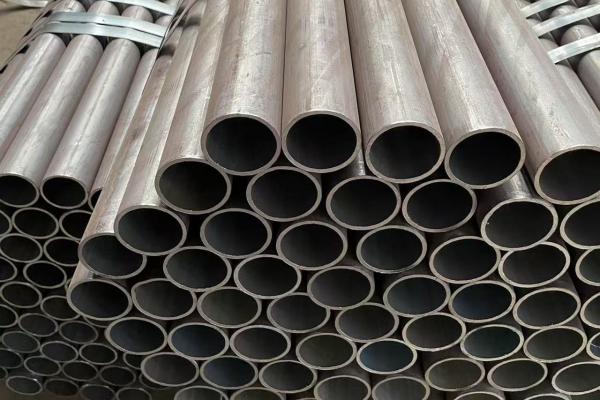
Available as seamless steel tubes or welded steel tubes
Sizes vary from small-diameter capillaries to large-diameter tubes several meters wide
Expressed by outer diameter, wall thickness, and length
Applications of boiler pipes include:
Power plants and thermal equipment
Petroleum exploration and chemical processing
Mechanical and industrial machinery
Pressure vessels and specialized containers
Understanding Boiler Pipe Grades
Boiler pipe grades define the material composition and mechanical properties, including:
Strength
Heat resistance
Durability under pressure
Selecting the correct grade ensures that pipes perform reliably under different temperature, pressure, and chemical conditions.
Common Boiler Pipe Grades
1. Carbon Steel Boiler Pipes (SA-106 Grade B, SA-192)
Carbon steel is widely used for boiler pipes due to its balance of cost and performance under high temperatures.
SA-106 Grade B: Suitable for medium to high-temperature boilers and pressure vessels
SA-192: Ideal for high-pressure steam boilers and heat exchangers
Carbon steel boiler tubes are economical while maintaining acceptable strength and heat resistance.
2. Alloy Steel Boiler Pipes (SA-335 P1, P11, P22, P91)
Alloy steel boiler pipes provide superior performance at high temperature and pressure.
SA-335 P1: Low-temperature, medium-pressure applications
SA-335 P11 / P22: Medium to high-pressure boilers, excellent thermal fatigue resistance
SA-335 P91: Ultra-supercritical boilers, high creep strength, suitable for extreme high-pressure and high-temperature environments
Alloy steel boiler tubes are common in power plants, refineries, and chemical industries.
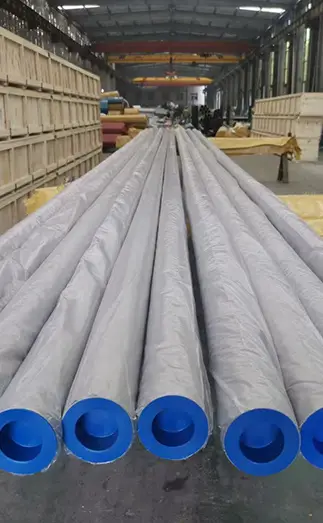
3. Stainless Steel Boiler Pipes (SS 304, SS 316)
Stainless steel boiler pipes offer enhanced corrosion resistance, ideal for chemical, hygienic, and industrial applications.
SS 304: Standard stainless steel, corrosion-resistant, suitable for food processing and industrial systems
SS 316: Higher corrosion resistance than SS 304, ideal for aggressive chemical environments or high-temperature applications
4. Copper-Nickel Alloy Boiler Pipes (Cu-Ni)
Cu-Ni alloy boiler pipes are preferred in marine and seawater applications.
Excellent resistance to seawater corrosion
Resistant to stress corrosion cracking and crevice corrosion
Ensures long-term durability under extreme conditions
Choosing the Right Boiler Pipe Grade
Selecting the correct boiler pipe grade is essential for safety, efficiency, and longevity. Key considerations include:
Operating temperature and pressure
Chemical exposure or corrosive environments
Budget and lifecycle cost
By matching the boiler pipe material to operational requirements, you can maximize system performance and reliability.
Conclusion
Boiler pipes are critical components in industrial and power applications. Understanding pipe types, materials, and grades helps engineers and procurement teams ensure safe, efficient, and durable boiler operation. From carbon steel to stainless steel and Cu-Ni alloys, selecting the right boiler pipe grade is a key step in designing reliable boiler systems.
FAQ 1: How are boiler pipes tested for quality and safety?
Boiler pipes undergo hydrostatic testing, non-destructive testing, and metallurgical analysis to ensure they meet pressure, temperature, and mechanical standards before installation.
FAQ 2: Can boiler pipes be used in both low-pressure and high-pressure systems?
Yes, boiler pipes are available in various grades and materials to suit low-pressure heating systems as well as high-pressure steam and industrial applications.
FAQ 3: What factors affect the lifespan of boiler pipes?
Material selection, operating temperature, pressure conditions, water chemistry, and corrosion control measures all influence the service life of boiler pipes.
For more: Boiler tube materials standards and specifications


 English
 Español
 Français
 بالعربية