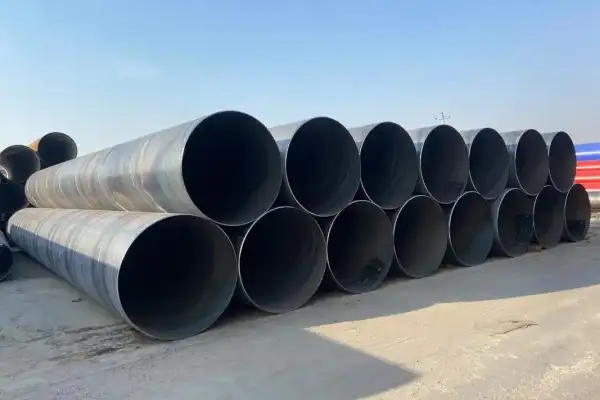
Boiler tubes are essential pressure components used to transfer heat and generate steam in industrial and power-generation boilers. Selecting the right boiler tube type directly affects thermal efficiency, operating safety, service life, and maintenance cost.
In this guide, we explain the main types of boiler tubes, how they are classified, and which applications they are best suited for—helping engineers and procurement teams make informed decisions.
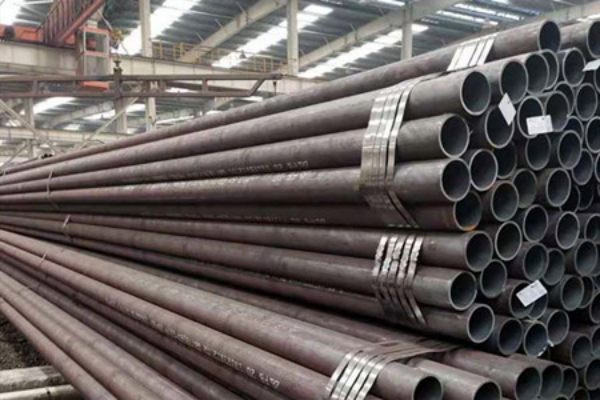
Main Types of Boiler Tubes by Function
- Fire Tube Boiler Tubes
Fire tubes carry hot combustion gases through a water-filled shell. Heat is transferred from the gas to the surrounding water to produce steam.
Advantages
Simple structure and easy operation
Lower initial cost
Suitable for low- to medium-pressure systems
Limitations
Limited pressure and capacity
Lower thermal efficiency compared to water tubes
Typical applications: Small industrial boilers, heating systems, low-pressure steam generation.
- Water Tube Boiler Tubes
Water tubes circulate water or steam inside the tube, while hot flue gas flows outside the tubes.
Advantages
High pressure and high-temperature capability
Faster steam generation
Higher thermal efficiency
Limitations
More complex design
Higher manufacturing and maintenance requirements
Typical applications: Power plants, large industrial boilers, high-pressure steam systems.
Boiler Tube Types by Location and Function
- Economizer Tubes
Installed in the flue gas path to preheat feedwater, improving boiler efficiency and reducing fuel consumption.
- Superheater Tubes
Used to raise steam temperature beyond saturation, enhancing turbine efficiency and power output.
- Reheater Tubes
Reheat partially expanded steam to improve thermal cycle efficiency and reduce turbine moisture.
- Water Wall Tubes
Form the furnace walls and absorb radiant heat directly from combustion.
Boiler Tube Types by Material
Carbon Steel Tubes: Cost-effective, suitable for moderate temperatures and pressures
Alloy Steel Tubes: Enhanced strength and creep resistance for high-temperature service
Stainless Steel Tubes: Excellent corrosion and oxidation resistance in aggressive environments
Material selection depends on operating temperature, pressure, corrosion risk, and fuel type.
How to Choose the Right Boiler Tube
Key factors to consider include:
Operating pressure and temperature
Heat transfer requirements
Fuel characteristics and corrosion potential
Applicable standards (ASTM, ASME, EN, GB)
Proper selection ensures long-term reliability, safety compliance, and optimized boiler performance.
FAQ
Q1: What is the main difference between fire tube and water tube boilers?
Fire tube boilers pass hot gas through tubes, while water tube boilers circulate water or steam inside the tubes.
Q2: Which boiler tube type is used for high-pressure applications?
Water tube boiler tubes are designed for high-pressure and high-temperature service.
Q3: Are boiler tubes always seamless?
Most high-pressure boiler tubes are seamless to ensure strength and pressure integrity.
Q4: What material is commonly used for boiler tubes?
Carbon steel and alloy steel are the most commonly used, depending on temperature and pressure requirements.
Q5: Why are economizer tubes important?
They recover waste heat from flue gas, improving overall boiler efficiency and reducing fuel consumption.


 English
 Español
 Français
 بالعربية