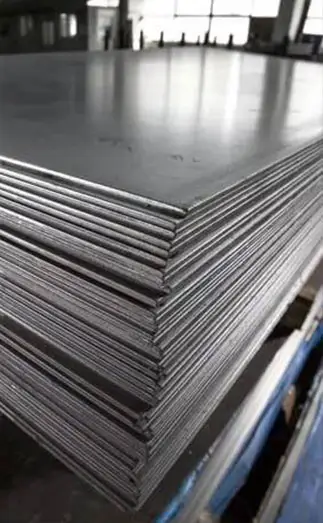
Carbon steel plates are widely used across engineering structures, machinery manufacturing, shipbuilding, pressure vessels, bridges, and construction. Because multiple global standard systems exist—such as ASTM (U.S.), EN (Europe), JIS (Japan), GB/T (China), and ISO—understanding what specifications apply to carbon steel plates, their key features, and application scopes is essential for material selection, procurement, and design.
This article provides a systematic overview of major international standards related to carbon steel plates, compares their similarities and differences, and offers practical guidance on choosing the most suitable specification.
Carbon Steel Plate Standards
Carbon steel plate standards vary by country, region, and international system. The most commonly referenced standards include:
|
System / Organization
|
:Major Standards / Specifications (Carbon / Carbon-Manganese / Structural Steel Plates)
|
|
ASTM International (USA)
|
:ASTM A36, ASTM A283 (Grades A/B/C/D), ASTM A516, ASTM A572, ASTM A537, ASTM A573, and hot-rolled/cold-rolled sheets like ASTM A1011/A1011M.
|
|
European / EN Standards
|
:EN 10025 series (e.g., S235JR, S275JR, S355JR).
|
|
Japanese Standards (JIS)
|
:JIS G3101 (e.g., SS400), SPHC / SPHD / SPHE for sheets and plates.
|
|
Chinese Standards (GB)
|
:Q195 / Q235 / Q275 / Q345 for structural steel or low-alloy steel, executed under GB/T 700, GB/T 3274.
|
|
Other / International
|
:DIN (Germany), ISO, GOST (Russia/former Soviet Union) for structural or engineering steel.
|
There is no unified “global standard” for carbon steel plates. Each region uses its own specification system, and understanding these standards—and how they correspond—is essential for correct design, procurement, and quality inspection.
Overview of Major Carbon Steel Plate Standards
Below is a simplified explanation of widely used standards and their typical applications:
ASTM A36
A major U.S. standard for carbon structural steel plates, commonly used in bridges, buildings, and riveted, bolted, or welded structures.
Mechanical properties (≤200 mm): yield strength ≈250 MPa, tensile strength 400–550 MPa, elongation ≥20%.
Features: economical, good weldability and machinability.
Applications: general structures, equipment bases, and light-to-medium load components.
ASTM A283
Covers low- to medium-strength carbon steel plates in Grades A/B/C/D.
Used in applications where strength requirements are moderate and cost efficiency is important.
ASTM A516 / ASTM A537
A516: Carbon steel plates for boilers and pressure vessels, offering good toughness and resistance to internal pressure and temperature fluctuations.
A537: Heat-treated carbon steel for fusion-welded pressure vessels, providing improved strength and mechanical performance.
ASTM A572 / ASTM A573
A572: High-strength, low-alloy (HSLA) structural steel, suitable for bridges and high-strength structures requiring weight reduction.
A573: Carbon–manganese–silicon structural steel with balanced strength and toughness for specific engineering uses.
EN 10025 (Europe)
Defines hot-rolled structural steel products.
Common grades: S235JR, S275JR, S355JR.
Features include good weldability and reliable mechanical properties, widely used across European and international construction projects.
JIS G3101 (Japan)
Specifies general structural hot-rolled steels such as SS400, applied in construction, machinery, and shipbuilding.
Other JIS standards (e.g., SPHC, SPHD, SPHE) cover cold-rolled or thin plates for forming and stamping applications.
Chinese GB Standards
Typical structural and low-alloy steel grades include Q195, Q235, Q275, Q345, according to GB/T 700 and GB/T 3274.
These materials align broadly with comparable ASTM, EN, and JIS structural steels and are widely used in bridges, buildings, machinery, and engineered structures.


 English
 Español
 Français
 بالعربية