ASTM A36 is a widely used American standard for carbon steel plates, formally designated as ASTM A36/A36M-03a. It applies to carbon steel plates, sections, and bars intended for general structural use in riveted, bolted, or welded applications, particularly in bridges and building structures. The standard clearly defines requirements for chemical composition, mechanical properties, dimensional tolerances, and test methods to ensure consistent quality and performance.
What Is an ASTM A36 Carbon Steel Plate?
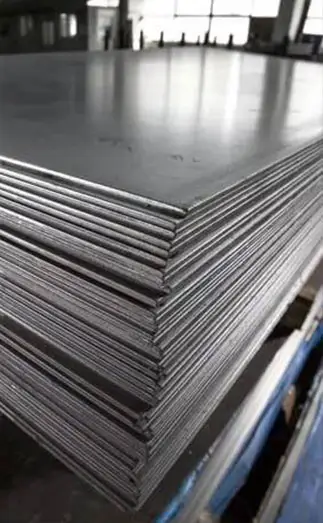
ASTM A36 is a specification issued by ASTM International covering carbon structural steel for construction involving welding, bolting, or riveting. Due to its relatively low carbon content, A36 steel is classified as a carbon steel with good ductility, weldability, and ease of fabrication. ASTM A36 plates are typically supplied in the hot-rolled condition and are available in a broad range of thicknesses and sizes.
In the construction and manufacturing sectors, ASTM A36 is highly regarded for its balanced combination of strength, versatility, and cost-effectiveness. These characteristics make it suitable for a wide variety of structural components, from basic load-bearing members to more complex fabricated structures.
Chemical Composition of ASTM A36 Carbon Steel Plate
|
Element
|
Composition (%)
|
|
Carbon (C)
|
≤0.25–0.29% (varies with thickness)
|
|
Manganese (Mn)
|
0.80–1.20%
|
|
Phosphorus (P)
|
≤0.04%
|
|
Sulfur (S)
|
≤0.05%
|
|
Silicon (Si)
|
≤0.40%
|
|
Copper (Cu)
|
≥0.20% (when copper-bearing steel is specified)
|
Mechanical Properties of ASTM A36 Carbon Steel Plate
|
Mechanical Properties
|
Metric
|
Imperial
|
|
Tensile Strength, Ultimate
|
400 – 550 MPa
|
58000 – 79800 psi
|
|
Tensile Strength, Yield
|
250 MPa
|
36300 psi
|
|
Elongation at Break (in 200 mm)
|
20.00%
|
20.00%
|
|
Elongation at Break (in 50 mm)
|
23.00%
|
23.00%
|
|
Modulus of Elasticity
|
200 GPa
|
29000 ksi
|
|
Bulk Modulus (typical for steel)
|
140 GPa
|
20300 ksi
|
|
Poissons Ratio
|
0.26
|
0.26
|
|
Shear Modulus
|
79.3 GPa
|
11500 ksi
|
Applications of ASTM A36 Carbon Steel Plate
Thanks to its balanced mechanical properties and excellent fabrication performance, ASTM A36 carbon steel plate is widely applied across multiple industries:
Building and Bridge Construction
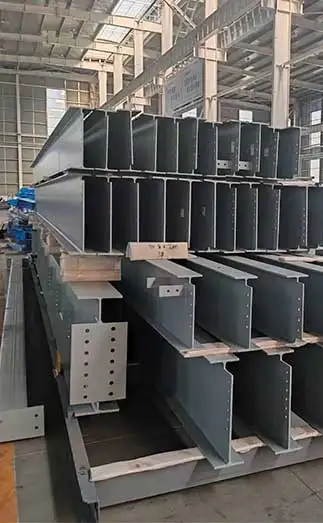
In the construction sector, ASTM A36 steel plate is commonly used to produce load-bearing structural elements such as steel frames, beams, columns, and floor systems, ensuring overall structural strength and stability. In bridge engineering, it is suitable for large-scale structures including highway and railway bridges. Major infrastructure and landmark projects, such as long-span bridges and high-rise buildings, extensively rely on A36 steel plate for their primary structural components.
Machinery Manufacturing
ASTM A36 steel plate is widely used in the fabrication of structural parts for machinery and equipment, including machine tools, vehicles, ships, and pressure-related equipment. Typical components include bearing housings, gears, brackets, and heavy equipment parts. Its good strength, toughness, and machinability allow it to meet the requirements of complex fabrication and assembly processes.
Shipbuilding and Marine Engineering
Owing to its good weldability and reliable mechanical performance, ASTM A36 steel plate is used in shipbuilding for hull structures, decks, bulkheads, and other critical components. These applications help ensure hull integrity and operational safety. In marine engineering, A36 steel plate is also used in the construction of offshore structures and supporting frameworks.
Vehicle and Transportation Equipment Manufacturing
In the automotive and transportation industries, ASTM A36 steel plate is applied in the manufacture of structural components such as chassis systems, frames, and reinforcements. Its impact resistance and structural reliability contribute to improved safety and durability in vehicles and transport equipment.
Pressure Vessels and Storage Tanks
With its stable mechanical properties and acceptable corrosion resistance, ASTM A36 steel plate is used in the fabrication of storage tanks and certain pressure vessels. These structures often operate under demanding conditions, including elevated pressure and temperature, where A36 steel helps maintain structural safety and long-term stability.
Conclusion
Overall, ASTM A36 carbon steel plate stands out as a versatile and cost-effective structural material. Through controlled chemical composition and standardized production, it achieves a practical balance between strength, toughness, and formability. Its compatibility with common welding and processing methods makes it indispensable in construction, bridge engineering, machinery manufacturing, shipbuilding, transportation, and industrial storage applications. As engineering technologies advance and global infrastructure demand continues to grow, ASTM A36 steel plate will remain a fundamental material supporting modern construction and manufacturing worldwide.
FAQ 1: Is ASTM A36 steel plate easy to weld, and does it require preheating?
ASTM A36 steel plate has a relatively low carbon content, which provides good weldability using common welding methods such as SMAW, MIG, and TIG. In most cases, preheating is not required for thin to medium thickness plates. However, for thicker plates or when welding in low-temperature environments, light preheating and proper post-weld control are recommended to reduce the risk of cracking.
FAQ 2: What thickness and size ranges are commonly available for ASTM A36 steel plates?
ASTM A36 steel plates are typically supplied in a wide range of thicknesses, from thin plates used in fabrication to heavy plates for structural applications. Standard plate widths and lengths are readily available, and many mills and suppliers can provide customized dimensions through cutting or processing services to meet specific project requirements.
FAQ 3: How does ASTM A36 compare with other structural steel grades in terms of cost and performance?
ASTM A36 is considered one of the most cost-effective structural steel grades. While it does not offer the higher strength levels of grades such as ASTM A572 or A992, it provides sufficient strength for many general structural applications at a lower cost. This balance of performance, availability, and price makes ASTM A36 a preferred choice for budget-sensitive projects without demanding high-strength requirements.


 English
 Español
 Français
 بالعربية